How to Start a Local Padel Meetup or League
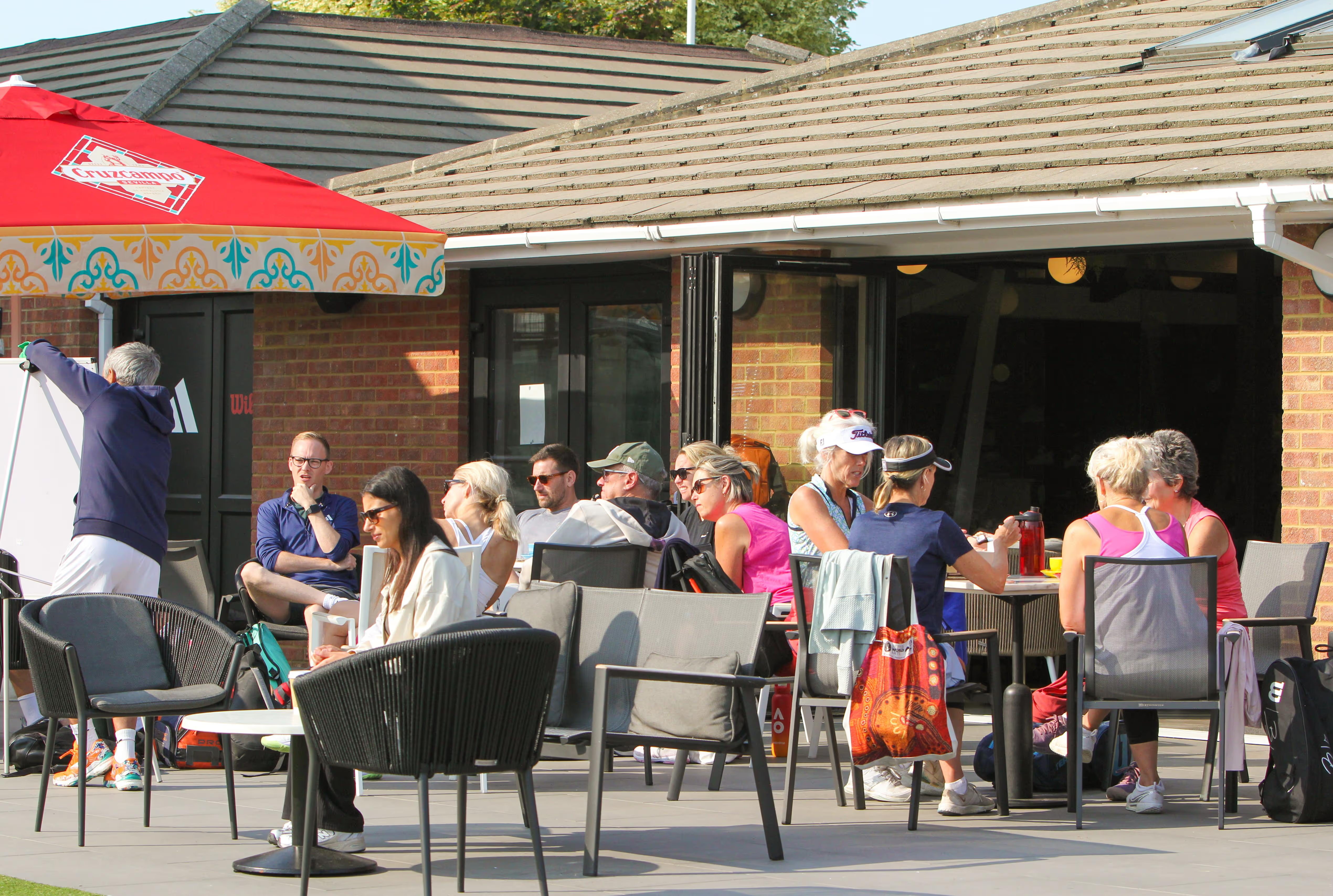
Padel grows fastest when players take the lead.
In many cities, courts appear before communities do. You might have great facilities nearby but no regular games, no structure, and no clear way for players to meet each other. That gap is exactly where local padel meetups and leagues begin.
Whether you want casual weekly games or a more organized competition, starting a local padel group is one of the best ways to grow the sport — and your own enjoyment of it.
This guide walks you through how to start a local padel meetup or league, step by step, from finding players to organizing matches fairly and building something that lasts.
Meetup or League: What’s the Difference?
Before you begin, it’s important to decide what you’re building.
A padel meetup is usually informal. Players join to get games, meet others, and play socially. Skill levels can be mixed, and results don’t matter much.
A padel league adds structure. Players are grouped by level, matches follow a schedule, and results are tracked over time. Leagues suit players who enjoy progression, competition, and consistency.
Many successful padel communities start as meetups and naturally evolve into leagues once numbers grow.
Step 1: Find Your First Players
You don’t need a huge group to start — you need momentum.
Begin with players you already know: friends, teammates, or people you regularly see at the courts. Even 6–8 committed players is enough to get started.
From there, expand through:
- Conversations at local padel clubs
- WhatsApp groups
- Social media posts in local sports or padel groups
- Notices at clubs or sports centers
Be clear about what you’re offering. Players are more likely to join when they understand whether it’s social, competitive, beginner-friendly, or level-based.
Step 2: Choose a Simple Format
Complexity kills participation early. Keep the structure simple at the start.
For meetups, rotating matches work well. Players arrive, mix partners, and play short games or sets. This keeps energy high and avoids long waiting times.
For leagues, a round-robin format is usually best. Each team plays every other team over a set period. This ensures fairness and gives players regular matches.
Whatever format you choose, consistency matters more than perfection.
Step 3: Secure Courts and a Regular Schedule
A predictable schedule builds commitment.
Try to fix:
- The same day each week
- A consistent time slot
- The same venue if possible
Players are far more likely to return when padel becomes part of their routine. Even one weekly session can be enough to create a strong community if it runs consistently.
If courts are limited, start small and grow gradually rather than overbooking and creating frustration.
Step 4: Organize Fair Matches
One of the biggest challenges in padel communities is balancing levels.
Early on, don’t overthink it. Use simple observations and player feedback to group players roughly by ability. As numbers grow, you can introduce divisions or tiers.
For meetups, rotating partners helps balance matches naturally. For leagues, grouping players by level keeps matches competitive and enjoyable.
Fair matches keep players motivated — mismatched games are the fastest way to lose participants.
Step 5: Set Clear Expectations
Clarity prevents problems later.
Let players know:
- Start and end times
- Match format
- Cost sharing (court fees, balls, etc.)
- Whether results matter
- How cancellations are handled
Clear communication builds trust and keeps the group running smoothly without constant reminders or misunderstandings.
Step 6: Build Community, Not Just Matches
Strong padel groups grow because of connection, not just court time.
Encourage conversation, introductions, and light social interaction before or after matches. Even small things — like posting match photos or celebrating milestones — help players feel part of something.
When players feel connected, they keep showing up. When they keep showing up, the group grows naturally.
Step 7: Use Simple Tools to Stay Organized
You don’t need complicated software to run a padel meetup or league.
Many groups manage successfully with:
- WhatsApp for communication
- Google Sheets for schedules and results
- Simple sign-up forms for attendance
As your group grows, you can explore padel-specific platforms or apps, but simplicity is key early on. Tools should reduce friction, not add to it.
How Many Players Do You Need to Start?
You can start with surprisingly few players.
For a meetup, 6–8 players is enough.
For a league, 8–12 players allows for regular doubles matches.
What matters most is commitment. A small group that shows up every week is far better than a large group that’s inconsistent.
How to Attract More Players Over Time
Growth happens naturally when players enjoy the experience.
Encourage members to bring friends. Share updates in local sports groups. Be welcoming to new players and clear about how they can join.
Most importantly, deliver good games, fair organization, and a positive atmosphere. Word spreads quickly when padel sessions are well run.
Final Thoughts
Starting a local padel meetup or league doesn’t require special qualifications — just initiative, consistency, and a genuine desire to build something for others.
Every strong padel community started with one or two players who decided to organize instead of waiting. If you create regular games, communicate clearly, and focus on enjoyment, the rest follows naturally.
Padel grows one court, one group, and one community at a time.
Related Posts
Discover more insights, tips, and articles you might find useful