.png)
Walk into any padel shop — or scroll online for five minutes — and you’ll feel it immediately.
Rackets. Shoes. Bags. Overgrips. Vibration dampeners. Special balls. Accessories you didn’t even know existed.
If you’re new to the sport (or even intermediate), it’s easy to think you need everything. The truth? You don’t.
Padel is simple. And the right padel gear essentials are far fewer than most players assume.
Let’s break down what you actually need, what’s worth investing in, and what can wait.
What Gear Do You Really Need to Play Padel?
At its core, you only need three things to step on court:
- A padel racket
- Suitable court shoes
- Padel balls
That’s it.
Everything else improves comfort, performance, or convenience — but it isn’t essential to start playing.
The key is knowing where to invest properly and where to avoid unnecessary upgrades.
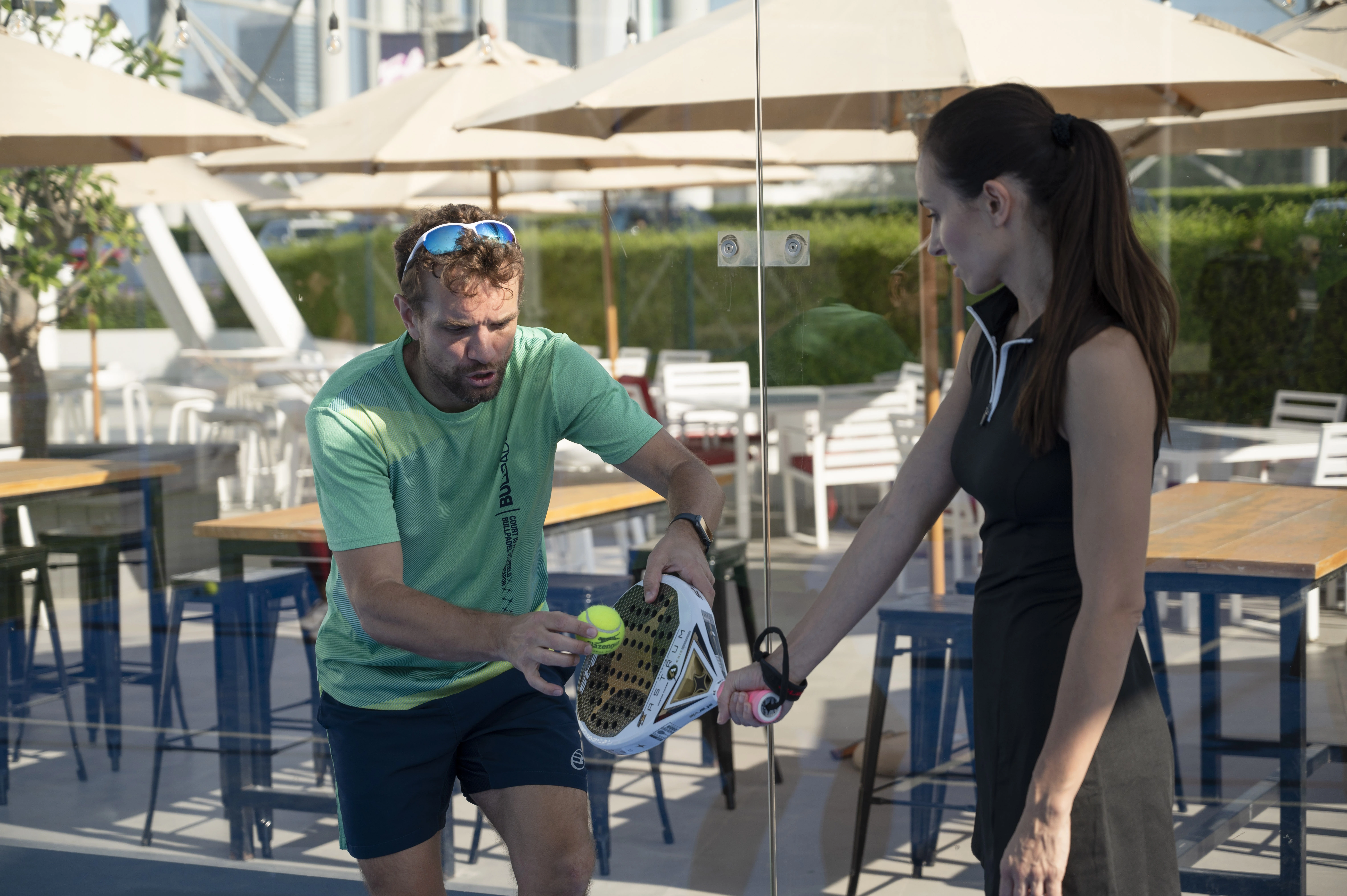
The Most Important Investment: Your Racket
Your racket has the biggest impact on your experience.
Unlike tennis rackets, padel rackets are solid with holes and come in different shapes (round, teardrop, diamond). For beginners and most intermediate players, control matters more than power.
Look for:
- A round or control-focused shape
- Medium or soft core
- Moderate weight (typically 360–375g)
Expensive rackets are not automatically better. In fact, high-end “pro” models are often designed for advanced players and can make the game harder for beginners.
If you’re starting out, choose forgiveness and control over power and marketing.
Are Expensive Padel Rackets Worth It?
Sometimes — but not always.
Premium rackets often use higher-quality materials and feel more responsive. But unless your technique is consistent, you won’t fully benefit from those upgrades.
For beginners and improving players, mid-range rackets usually offer the best value. They provide balance, durability, and comfort without punishing mistakes.
Spend smart, not flashy.
Do You Need Special Shoes for Padel?
Yes — and this is where you shouldn’t cut corners.
Padel involves constant lateral movement, quick changes of direction, and sliding on artificial turf. Running shoes don’t provide the right grip or stability and increase injury risk.
Padel-specific or clay-court tennis shoes are ideal because they:
- Provide proper traction
- Support sideways movement
- Reduce stress on ankles and knees
If there’s one place to prioritize safety and comfort, it’s footwear.
Padel Balls: Small Detail, Big Difference
Padel balls look similar to tennis balls but are slightly less pressurized, making them slower and better suited for the enclosed court.
While you can technically use tennis balls, proper padel balls improve consistency and rally quality. They’re relatively inexpensive compared to other gear, so it’s worth using the correct ones.
What Accessories Are Actually Useful?
Now we move into the “nice to have” category.
Some accessories genuinely help:
- Overgrips improve comfort and prevent slipping.
- Wristbands help manage sweat.
- A basic padel bag keeps your racket protected.
These are practical upgrades once you’re playing regularly.
What You Probably Don’t Need (Yet)
Here’s where players often overspend.
You don’t need:
- Multiple rackets
- The most expensive “pro” model
- Advanced performance accessories
- Specialized apparel beyond normal athletic wear
Padel clothing is functional, but any comfortable sportswear works fine when starting out.
Focus on improving your game first. Upgrade gear when you clearly understand what you’re upgrading for.
Beginner vs Intermediate: When to Upgrade
As your level improves, your gear preferences become clearer.
You may want:
- A slightly firmer racket for more precision
- A better-quality shoe for durability
- Extra grips for consistent feel
Upgrades should solve specific problems — not satisfy curiosity or marketing pressure.
If you can’t clearly explain why you need new gear, you probably don’t need it yet.
Building a Smart Beginner Setup
A practical beginner padel setup looks like this:
- Control-oriented mid-range racket
- Proper padel or clay-court shoes
- A tube of padel balls
- One or two overgrips
That’s enough to play comfortably and improve quickly.
You can always add more later.
The Bigger Picture
Gear matters — but not as much as positioning, patience, and decision-making.
It’s tempting to believe better equipment will fix technical weaknesses. In reality, smart practice and better tactical awareness improve your game far more than upgrading to a premium racket.
Buy equipment that supports your development, not distracts from it.
Final Thoughts
Padel gear doesn’t need to be complicated.
Invest in a forgiving racket. Protect yourself with proper shoes. Keep accessories simple. Ignore the hype until your level demands more.
The best players aren’t the ones with the most equipment — they’re the ones who understand what they actually need.
Start simple. Play more. Upgrade with purpose.