The return of serve is one of the most misunderstood parts of padel.
Players often focus on doing something impressive hitting a perfect lob, finding a sharp angle, or trying to win the point early.
But that’s not the objective.
The real goal of the return is simple: get the ball back in play.
That might sound basic, but it’s where most players go wrong. They take unnecessary risks on a good serve and lose the point before it even starts.
If you watch high-level players, you’ll notice something interesting: they don’t try to do anything special on the return. They use it to start the point, not finish it.
Once you understand that mindset, everything else becomes easier.
Start with the Right Mindset
Before worrying about spin, speed, or technique, you need to reset your intention.
When returning:
- Don’t force winners
- Don’t chase perfect shots
- Don’t overcomplicate
Instead, focus on:
- Getting the ball in
- Playing with control
- Making your opponent hit the next shot
If you can return consistently especially into the server’s feet or with some depth — you’re already doing well.
Consistency is what gives you a chance to build the point.
Your Ready Position Is Everything
A lot of return problems actually start before the ball is even hit.
If your positioning is off, everything becomes harder especially when dealing with side glass serves.
A solid starting position looks like this:
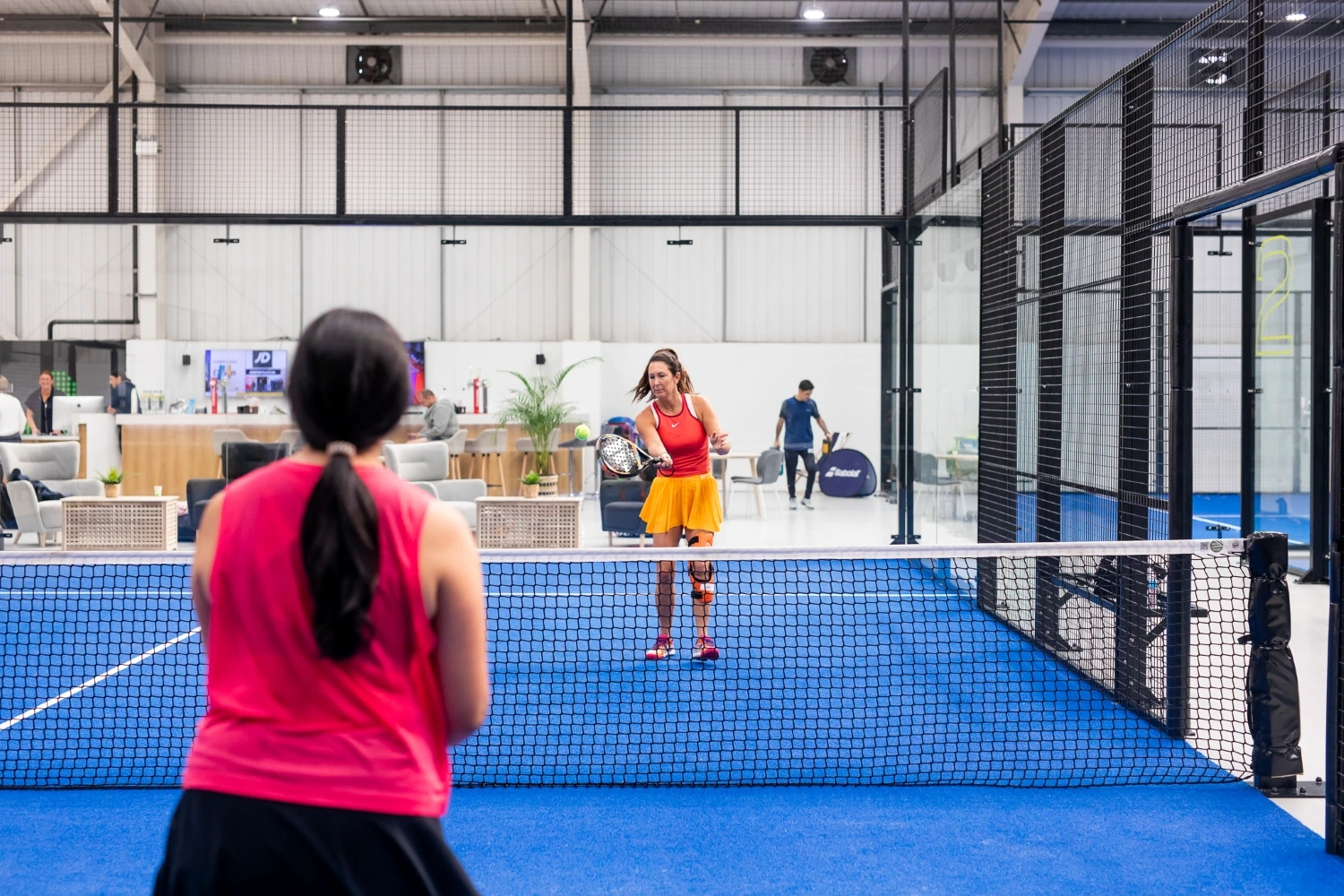
- Slightly behind the baseline (one small step back)
- Facing the server, not down the line
- Positioned close enough to the side glass but not too close
This balance is important.
Stand too close to the glass, and you get cramped.
Stand too far, and you have to rush in late.
Getting this right gives you time and time is everything on the return.
When to Play After the Glass
One of the biggest decisions on the return is whether to take the ball before or after the side glass.
As a general rule:
If the ball lands closer to the front part of the side glass, let it come off the glass.
Trying to take these balls early often leads to weak or mistimed returns especially against accurate serves.
By allowing the ball to rebound, you:
- Create space to swing
- Improve your timing
- Increase control
At higher levels, this becomes essential. Good servers will target this zone consistently, so learning to use the glass properly is key.
How to Handle Side Spin Serves
Side spin is probably the most common serve you’ll face.
When a right-handed player uses side spin, the ball will bounce and then move away from the side glass and more towards you.
The adjustment is simple:
Give the ball a little more space.
You don’t need to rush towards it. In fact, if you stay slightly further away, the ball will come into your hitting zone naturally.
This is why heavy side spin often feels tricky at first but becomes easier once you understand how it behaves.
How to Deal with Slice Serves
Slice doesn’t change the direction of the ball much but it changes the height.
After bouncing and hitting the glass, the ball stays lower.
That means your adjustment is different:
You need to be slightly closer to the glass and ready for a lower contact point.
The real challenge comes when players combine slice with side spin:
- The ball stays low
- But also moves away from the glass
This is where preparation becomes critical.
The Key to Handling Difficult Serves: Early Preparation
No matter the spin or speed, one habit makes a huge difference:
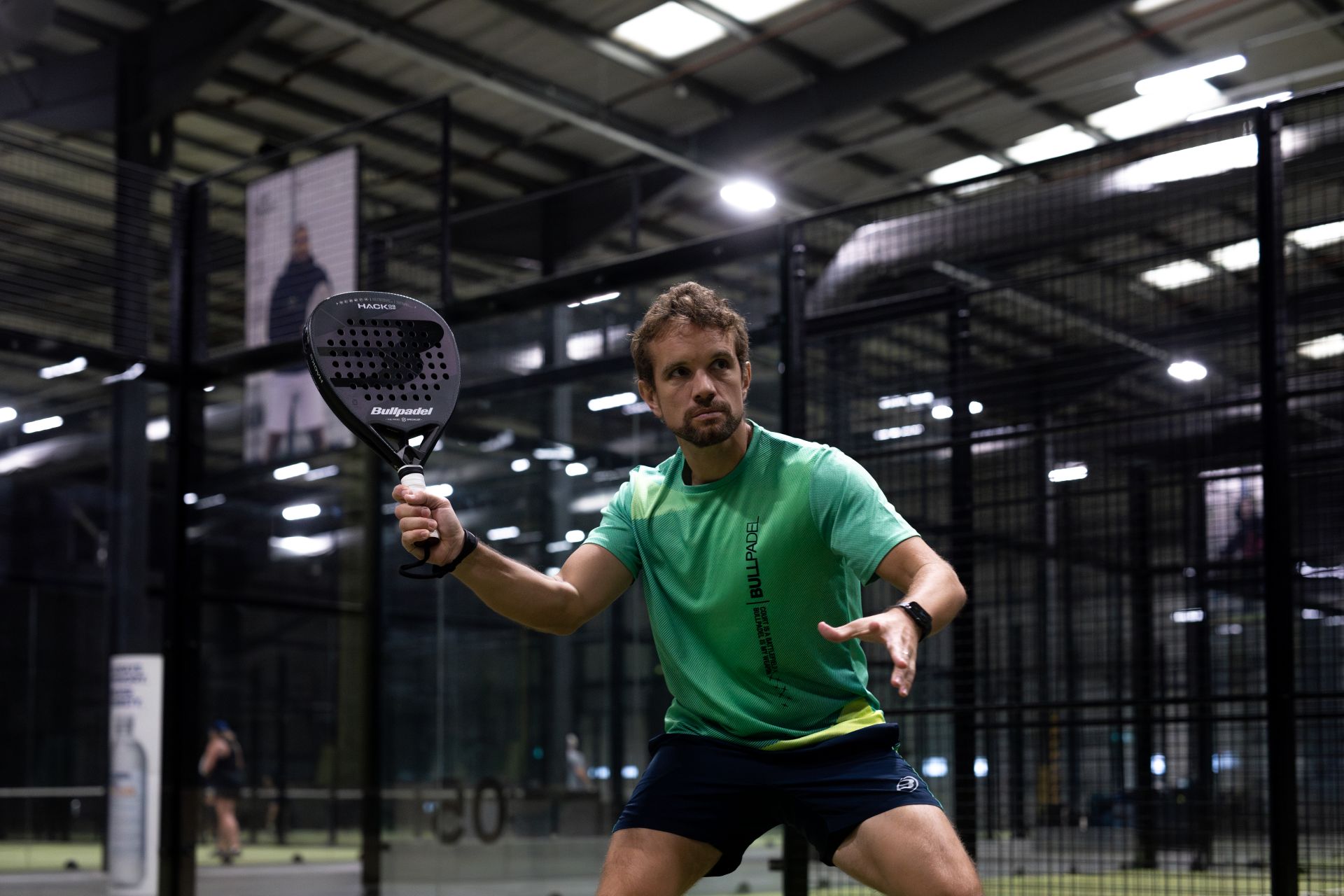
Your racket must be back before the ball bounces.
If you wait until the last moment:
- You rush your swing
- You mistime contact
- You lose control
But if your racket is prepared early:
- You only need to adjust your position
- You can focus on timing
- The shot becomes much simpler
This is especially important on fast or low serves.
Left-Handers and Backhand Serves
These are less common but often more difficult.
Why?
Because the spin works in the opposite way.
Instead of the ball coming away from the glass, it stays closer and “hugs” the side wall.
Your adjustment here:
- Position slightly closer to the glass
- Give yourself space to swing without expecting the ball to come out
The good news is that this is easier to anticipate.
If you see a left-handed server or a backhand serve, you already know what’s coming so you can adjust early.
Dealing with Fast Serves
Speed can feel intimidating, but it doesn’t actually change the ball’s direction only how quickly it gets there.
So the solution isn’t complicated.
It’s the same principle again:
Prepare early.
If your racket is ready before the bounce:
- You have time to react
- You can control the return
- You avoid rushing
If you wait and react late, fast serves become very difficult.
So instead of focusing on the speed, focus on your preparation.
A Final Advantage Most Players Miss
Servers are more predictable than you think.
Most players don’t change their serve much during a match. They repeat the same spin, same placement, and same patterns.
So after a few points, you should start to notice:
- What type of spin they use
- Where they serve most often
- How the ball reacts
Once you recognise that, you can adjust early and returning becomes much easier.
Returning serve in padel isn’t about hitting great shots.
It’s about making smart decisions, getting into the right position, and staying consistent.
Focus on:
- Getting the ball back in play
- Positioning correctly
- Preparing early
- Understanding the spin
Do that, and your return will become more reliable and your whole game will feel more under control.
Because in padel, the point doesn’t start when you hit a winner…
It starts with a solid return.