When people think about successful padel clubs, they often focus on the visible factors.
The courts. The facilities. The location. The technology.
While these elements certainly matter, the long-term success of a club is often influenced by something much less obvious:
Its coaches.
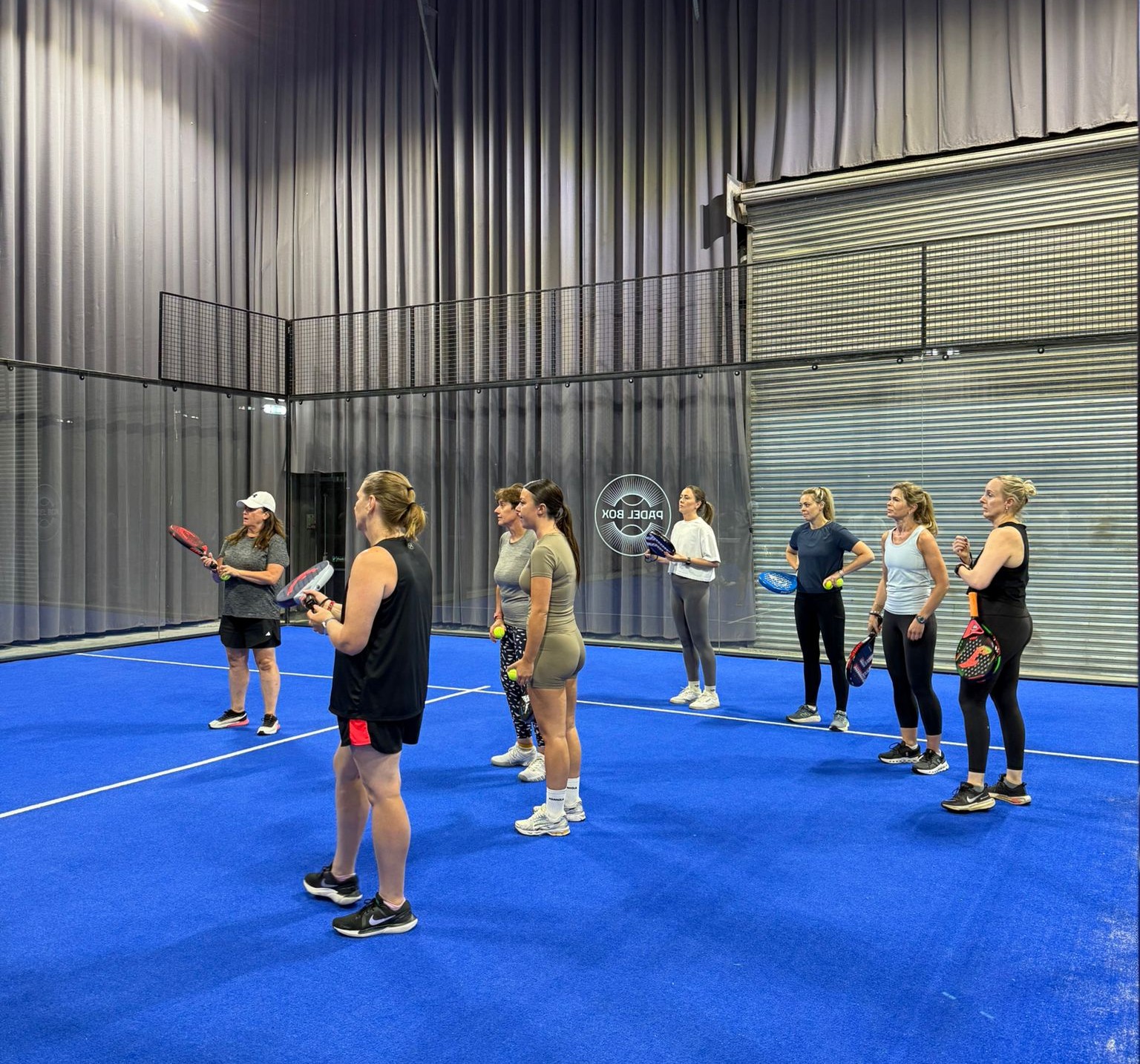
Quality coaches do far more than teach technique. They help players improve, build relationships, strengthen club culture, and create experiences that keep members engaged for years.
In many cases, coaches are the people players interact with most frequently. That makes them one of the most important drivers of both player satisfaction and club growth.
Why Quality Coaches Matter So Much
For many players, coaching is their primary connection to the club.
A coach is often the first person who:
- Welcomes them to the sport
- Helps them improve
- Introduces them to other players
- Encourages them through challenges
- Guides their development
Because of this, players often associate their overall club experience with the quality of coaching they receive.
A great facility may attract players initially, but great coaching is often what keeps them coming back.
Quality Coaching Improves Player Retention
One of the biggest challenges for any club is retaining players over the long term.
Most players join a club with enthusiasm. They enjoy learning a new sport, meeting people, and experiencing rapid improvement.
However, if that progress slows or the experience becomes less engaging, participation can begin to drop.
Quality coaches help prevent this.
They create sessions that are:
- Structured
- Enjoyable
- Challenging
- Appropriate for the player's level
Most importantly, they help players see progress.
When players feel they are improving, they are far more likely to remain motivated and continue participating regularly.
This directly impacts retention, which is one of the most important factors in sustainable club growth.
Coaches Help Build Club Culture
Club culture is difficult to define, but players feel it immediately.
It's the atmosphere that exists when people walk through the door. It's how members interact with each other. It's whether the club feels welcoming, inclusive, and supportive.
Quality coaches play a major role in creating that environment.
They set the tone for:
- Communication
- Sportsmanship
- Inclusivity
- Player behaviour
- Community engagement
Strong coaches don't just develop players—they help develop the culture of the club itself.
Over time, this culture becomes one of the club's biggest competitive advantages.
Player Development Creates Long-Term Loyalty
Many clubs focus heavily on attracting new members.
While new players are important, long-term success often comes from keeping existing players engaged.
This is where quality coaching becomes extremely valuable.
Great coaches understand that development is a journey.
They provide players with:
- Clear progression pathways
- Achievable goals
- Regular feedback
- New challenges as skills improve
When players can see a clear path forward, they are more likely to stay connected to the club.
They don't simply feel like customers renting a court.
They feel like they are part of a development journey.
Consistency Matters Across the Entire Coaching Team
One exceptional coach can have a positive impact.
A team of well-developed coaches can transform a club.
The strongest clubs typically have coaching systems that create consistency across their programmes.
Players should receive a high-quality experience regardless of:
- Which coach they work with
- Which programme they join
- Which session they attend
This consistency creates trust.
Players know what to expect, and that reliability strengthens the reputation of the club.
Quality Coaches Create More Engaged Communities
Padel is a social sport.
Many players stay involved not only because they enjoy the game, but because they enjoy the people.
Great coaches often become community builders.
They encourage interaction between players, organise activities, create welcoming environments, and help integrate new members into existing groups.
As a result, coaching programmes often become the centre of a club's community.
The stronger the community, the stronger the retention.
And stronger retention creates healthier, more sustainable businesses.
Coach Development Is an Investment in Club Growth
Many clubs invest heavily in facilities, marketing, and equipment.
While those investments are important, coach development can often provide some of the highest long-term returns.
When clubs support their coaches through:
- Education
- Certification
- Mentorship
- Ongoing training
The benefits are felt throughout the entire organisation.
Better coaches lead to:
- Better player experiences
- Better player development
- Stronger retention
- Higher member satisfaction
Over time, these improvements compound.
Quality Coaching Supports Revenue Growth
The connection between coaching quality and revenue is often underestimated.
When players enjoy their coaching experience, they are more likely to:
- Continue lessons
- Join programmes
- Participate in events
- Recommend the club to friends
- Stay members for longer
This increases customer lifetime value and creates more predictable revenue streams.
In other words, investing in coaching quality is not simply a player development strategy.
It's a business strategy.
The Future of Successful Clubs
As padel continues to grow, players will have more choices than ever before.
Facilities alone will become less of a differentiator.
The clubs that stand out will often be those that provide:
- Exceptional coaching
- Clear development pathways
- Strong communities
- Consistent player experiences
And all of those outcomes begin with quality coaches.
Quality coaches do far more than teach players how to hit better shots.
They influence retention, shape club culture, build stronger communities, and create long-term loyalty.
For clubs looking to grow sustainably, coaching should not be viewed as an additional service.
It should be viewed as a core part of the club's success strategy.
While courts and facilities may attract players initially, it is often the quality of coaching that determines whether they stay for years to come.



.jpg)