Getting someone through the door is only the first step in building a successful padel club. The bigger challenge is giving that person a reason to keep coming back.
A new player might discover padel through an introductory session, enjoy their first few matches and quickly become part of the club's community. But what happens when they want to improve? Where do they go next? How do they find players at a similar level, access the right coaching or take their first steps into competition?
Without clear answers, members can lose direction. They may continue playing without improving, struggle to find suitable activities or eventually move on to another club.
This is where padel player development pathways become important. By creating clear opportunities for players to progress, clubs can connect coaching, social play and competition into a more complete member experience.
The goal is not to make every player competitive. It is to help each member find their next step, whatever their ability, ambitions or reasons for playing.
What Is a Player Pathway in Padel?
A player pathway is a structured journey that helps someone progress from their first experience of padel to the next stage of their development.
For a beginner, that might mean moving from an introductory lesson into a beginner coaching programme and then joining regular social sessions. An intermediate player might progress into tactical coaching, organised match play or a local league. A more advanced player might look for performance coaching and tournament opportunities.
Each pathway should give players a clearer understanding of what they can do next and how those opportunities will help them.
Importantly, a player pathway does not have to be a rigid system where everyone follows the same sequence. Some members will want to improve their technique, while others will prioritise social connections, fitness or competitive play.
A good pathway offers different options while maintaining a clear structure. Members can move between activities as their confidence, ability and interests change.
For clubs, this creates a more intentional approach to player development. Instead of offering isolated lessons and events, the club builds a connected experience that supports members over time.
Start With a Strong Introduction to Padel
The player pathway begins with the first experience.
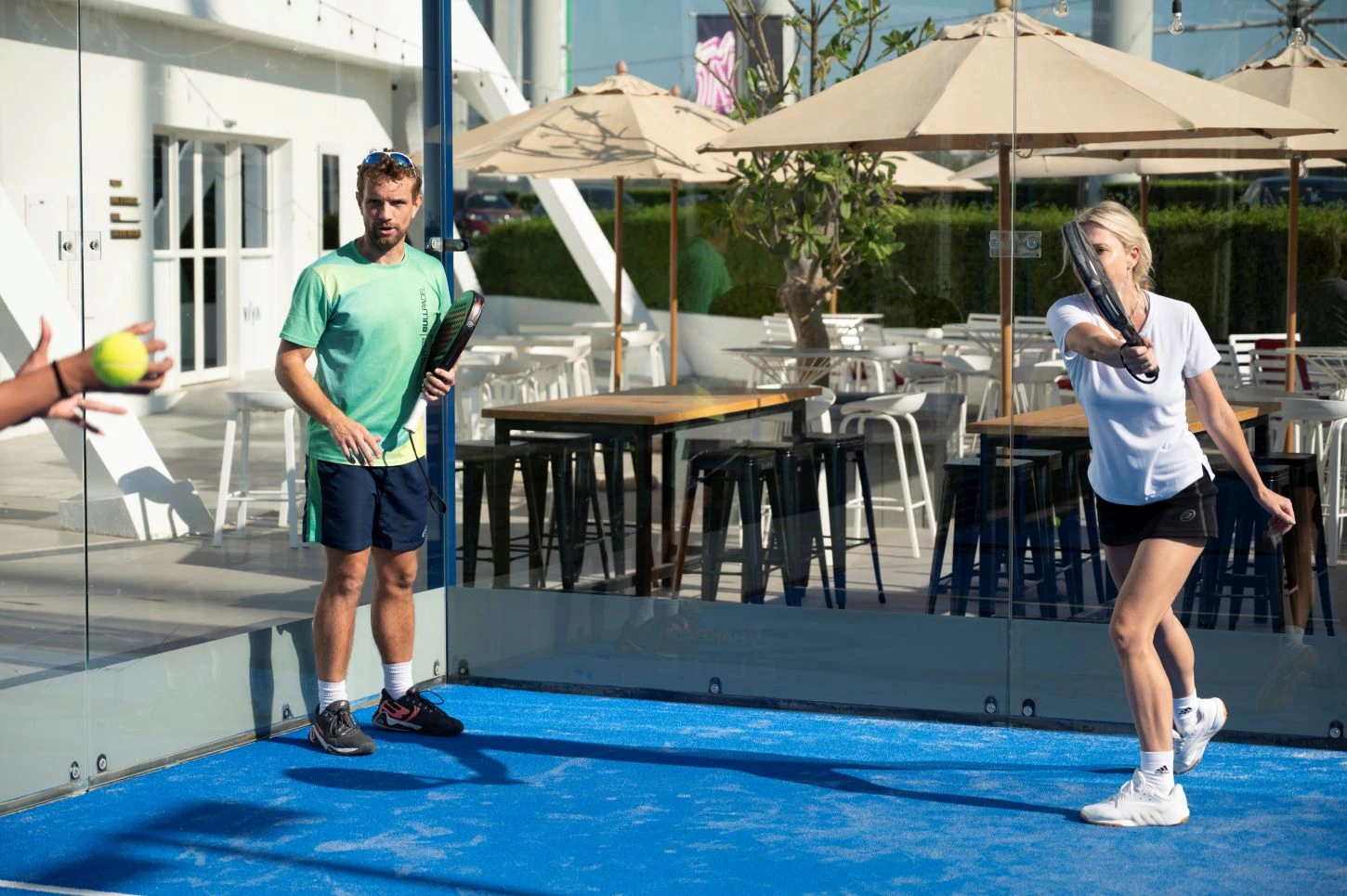
Someone who has never played padel may feel uncertain about the rules, the walls, the scoring system and where to position themselves on court. They may also be nervous about playing with people they do not know.
An introduction should make the game accessible and enjoyable. The objective is to help new players feel comfortable, experience some early success and understand how they can continue playing.
Coaches should avoid overwhelming beginners with too much technical information. Instead, they can introduce the basic skills and rules through simple, game-based activities that allow players to experience the fun of padel from the beginning.
But the experience should not end when the lesson finishes.
Before the beginner leaves, the club should offer a clear next step. This might be a follow-up coaching session, a beginner-friendly social event or a short introductory programme with other new players.
When members know what to do next, they are more likely to turn a one-off visit into a regular habit.
Create Clear Progression Between Coaching Levels
One of the biggest challenges for padel clubs is helping players understand how to continue improving after their first few lessons.
A club may offer excellent coaching, but if members do not know which sessions suit their ability or what they should work on next, they can struggle to make progress.
A structured coaching pathway solves this problem by connecting sessions to specific development goals.
Beginners might focus on controlling the ball, using the walls and learning basic positioning. As their confidence grows, they can develop their volleys, overheads, defensive skills and understanding of when to attack or defend.
Intermediate players may need more support with tactical decision-making, transitions between defence and attack, partner communication and consistency under pressure. Advanced players might benefit from more detailed match analysis, opponent-specific tactics and competition preparation.
These stages should be flexible rather than based solely on how long someone has played. Two members who have been playing for a year may have very different strengths and weaknesses.
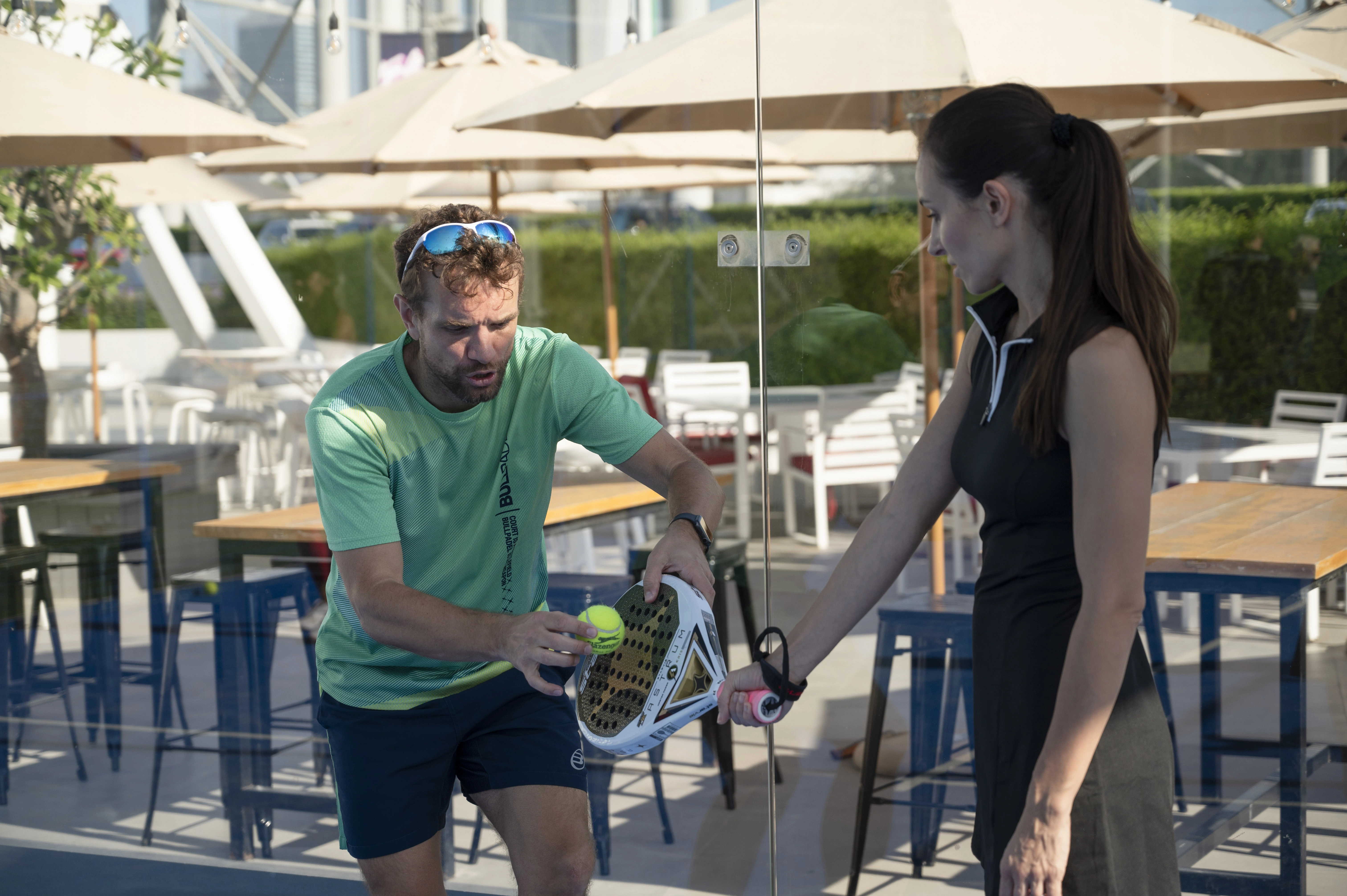
Coaches should assess players regularly and recommend the sessions that best match their needs.
This gives members a clearer sense of direction and helps clubs make their coaching programmes more relevant to different abilities.
Connect Coaching With Social Play and Competition
Coaching is an important part of player development, but members also need opportunities to apply what they learn.
A player might improve their volley during a lesson but struggle to use it confidently during a match. Another might understand where they should position themselves but find it difficult to coordinate their movement with a partner.
Regular match play helps players put their skills into practice, recognise areas for improvement and develop a better understanding of the game.
Clubs can support this by connecting coaching programmes with suitable social sessions, organised games, club ladders and leagues.
For beginners, structured social play can provide a welcoming way to meet other members and gain experience without feeling pressured to compete. Intermediate players might benefit from level-based match sessions that help them practise tactical skills against different opponents. More competitive members can progress towards leagues, tournaments and performance-focused activities.
The important point is that these activities should not operate as separate parts of the club. They should complement one another.
Coaches can recommend social or competitive opportunities based on what players are learning, while match experiences can help identify the next priorities for coaching.
This creates a continuous cycle of learning, practice and feedback that gives members more reasons to remain engaged.
Build Pathways Around Different Player Goals
Not every member joins a padel club with the same ambitions.
Some want to become better players and compete regularly. Others want to stay active, meet people or enjoy a weekly game with friends. Many have a mixture of goals that change over time.
If a club offers only one definition of progress, it risks overlooking a large part of its membership.
A more effective approach is to offer several routes through the club.
A social player might move from beginner lessons into regular group games and organised social events. A player focused on improvement might follow a development programme with individual goals, coaching sessions and progress reviews. Someone interested in competition could access match analysis, tactical training and opportunities to enter leagues or tournaments.
Junior players may need a separate pathway that supports skill development, confidence and age-appropriate competition.
These routes do not need to be complicated. What matters is that members can identify opportunities that fit their interests and understand how to access them.
Clubs should also make it easy for players to change direction. A member who initially joins for social reasons may develop a competitive interest later, while a regular competitor may eventually prefer a more relaxed approach.
Flexible player pathways allow clubs to support these changes rather than risk losing members whose priorities evolve.
Use Progress Tracking to Keep Members Motivated
One of the reasons players disengage is that improvement can become difficult to recognise.
After the initial excitement of discovering padel, progress may slow. Players continue attending matches but make the same mistakes, struggle against stronger opponents or become frustrated that their game is not developing.
Coaches can help by making progress more visible.
This does not mean measuring every aspect of performance or judging success only through match results. Instead, players should have a small number of meaningful goals that can be reviewed regularly.
A beginner might work on returning more serves successfully or becoming comfortable with the back glass. An intermediate player might focus on reducing unforced errors, improving shot selection or moving forward with their partner more consistently.
Coaches can review these objectives during lessons and encourage players to reflect on how they apply their skills in matches.
Simple tools such as coaching notes, player assessments, video analysis and training journals can help record these changes over time.
When members can see what has improved and understand what they should work on next, they have a stronger sense of purpose. They are also more likely to recognise the value of continued coaching.
Progress tracking turns development from a vague ambition into something players can understand and work towards.
Make Community Part of the Player Journey
Player development is not only about technique and tactics. The relationships people build through a club can be just as important to long-term engagement.
Padel is naturally social, but clubs still need to create opportunities for members to connect.
Level-based social sessions, regular group coaching, club challenges and friendly competitions can help players meet people with similar interests and abilities. Junior programmes and family activities can also create connections that extend beyond individual matches.
Coaches play an important role here. They often know which players have similar goals, which members would benefit from more match experience and who might enjoy joining a particular group.
Helping members find suitable playing partners can make the club experience more rewarding and reduce one of the common frustrations of playing a doubles sport: struggling to organise games with people at a similar level.
Community activities should also complement the coaching pathway. A beginner who meets other players during an introductory programme may feel more comfortable joining a social session, while a player who makes friends through a league may become more interested in improving through coaching.
When members feel connected to both the game and the people around them, they have more reasons to stay involved.
Help Coaches Deliver a Consistent Experience
A player pathway is only effective if coaches can deliver it consistently.
If every coach assesses players differently, recommends unrelated sessions or uses different standards for progression, members may struggle to understand how the programme fits together.
Clubs should establish a shared coaching methodology and clear principles for player assessment, lesson planning and feedback. Coaches need to understand the available programmes and know how to guide members towards suitable next steps.
This does not mean every lesson must look the same. Coaches should still adapt their approach to each player's goals, abilities and learning needs.
A shared framework simply helps the club maintain continuity across different coaches and activities.
Coach development is also important. As the club grows, ongoing training and access to practical resources can help coaches maintain quality and introduce new ways to support player progression.
For club managers, regular communication between coaches and the wider team helps identify gaps in the pathway. If beginners are not progressing into social play, or intermediate players are struggling to find appropriate match opportunities, the club can address those issues before they affect engagement.
A strong player pathway depends on a strong coaching system behind it.
Measure Member Engagement and Improve the Pathway
Clubs should regularly review whether their player pathways are working.
Membership numbers alone will not explain where members are finding value or where they are losing interest. Clubs need to understand how people move through the different stages of their experience.
For example, how many beginners return after their first lesson? How many continue into a coaching programme? Are players joining social sessions after completing beginner coaching? Do members continue participating in coaching after their initial development programme ends?
These questions can help identify where the pathway is working well and where members may need more support.
Clubs can also collect feedback directly. Asking members what they enjoy, what they find difficult and what opportunities they would like to see can reveal gaps that attendance figures do not explain.
The aim is not to force every member into more activities. It is to make sure that relevant opportunities exist and that people know how to access them.
By reviewing participation, progression and member feedback, clubs can refine their programmes and create a more connected experience over time.
The Bottomline
Building player pathways that keep members engaged requires more than adding new sessions to the club calendar. It means connecting every stage of the player experience, from the first introduction to ongoing coaching, social play and competition.
When members understand how they can improve, find activities that match their goals and feel part of a community, they have more reasons to keep playing.
For clubs, this creates an opportunity to improve both player development and member retention. Coaching becomes part of a longer journey rather than an isolated service, and members can see a future for themselves within the club.
The most effective player pathway is one that gives every member a next step — and makes that next step clear, achievable and worth taking.