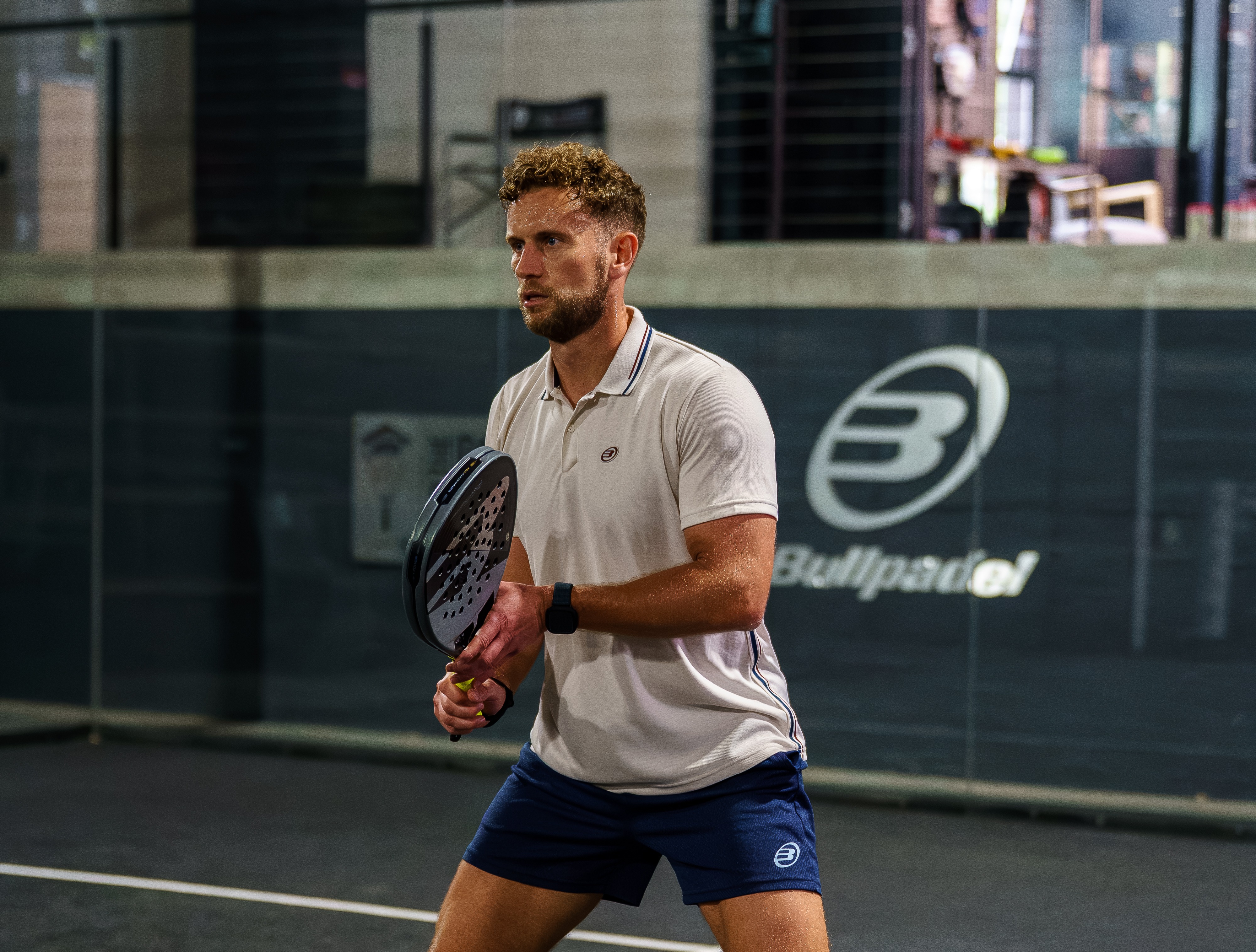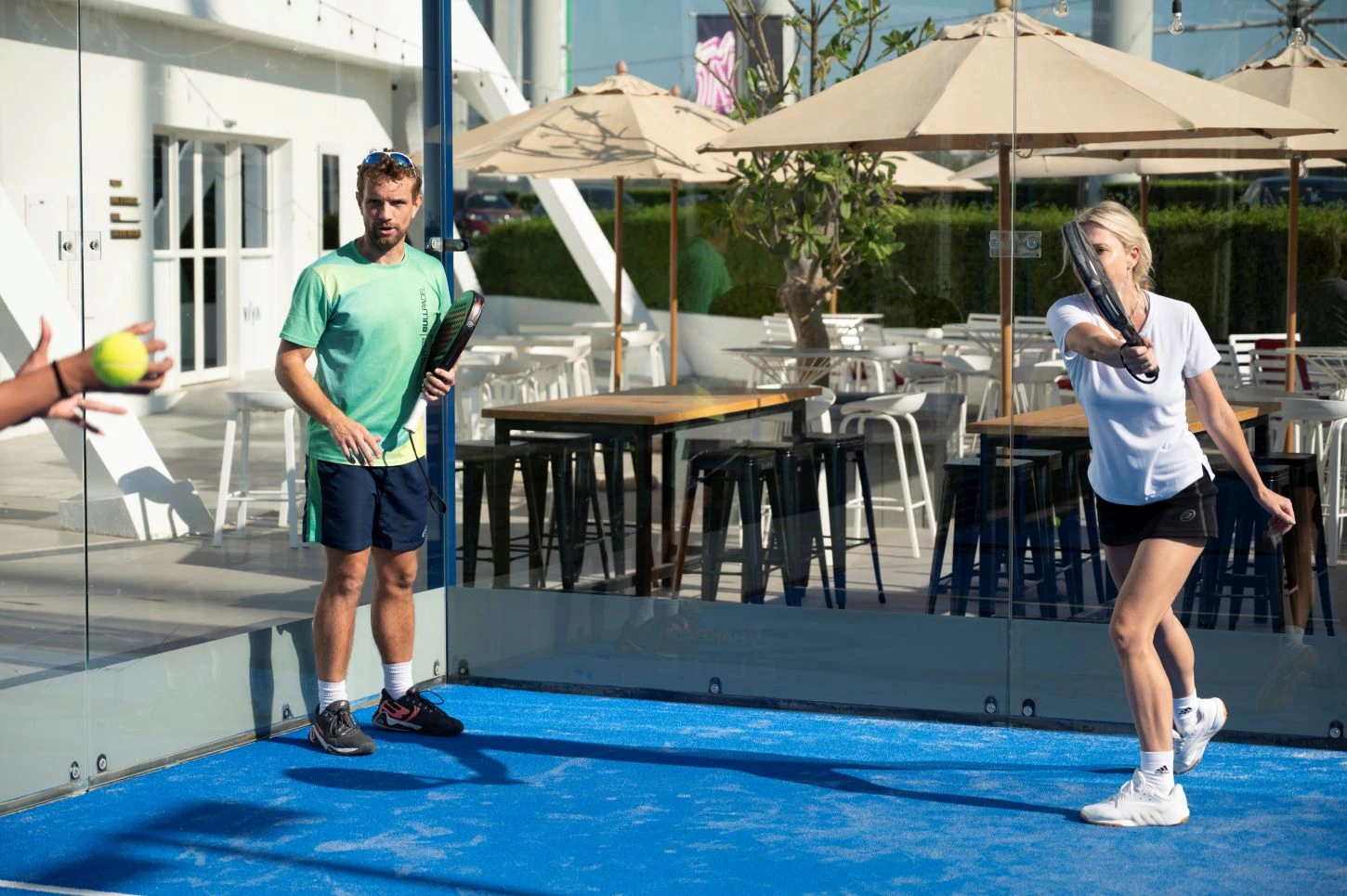
Starting padel is easy. Learning how to play it well takes a little more time.
For new players, the first few lessons can shape how they understand the game, develop their technique and approach the court. Get the foundations right, and players can build confidence, enjoy their matches and continue improving. Skip important basics, and they may develop habits that become harder to change later.
For coaches and clubs, this makes beginner padel lessons an important part of the player journey. The aim is not to teach every shot as quickly as possible. It is to give beginners the skills and understanding they need to enjoy the game and know what to work on next.
So, what should a beginner learn first? Here is how to structure the first five padel lessons to build a strong foundation.
Lesson 1: Understand the Basics and Build Confidence
The first padel lesson should help beginners feel comfortable on court.
New players are often trying to understand several things at once. They need to learn the basic rules, get used to holding a racket and make contact with a ball that may behave differently from what they expect. Introducing too much information too early can make the experience overwhelming.
Start by explaining the basic rules, scoring system and purpose of the walls. Players should understand how a rally works, when the ball is allowed to bounce and how the walls can be used during a point.
Then get them playing as quickly as possible.
Simple cooperative exercises allow beginners to practise making contact with the ball without worrying about winning points. Focus on a comfortable grip, a balanced stance and controlling the ball over the net.
The objective is not perfect technique. It is to help players experience success, understand the basic rhythm of the game and enjoy hitting the ball.
Coaches should also introduce simple movement habits. Players need to learn that they cannot stand still and wait for every ball. Small adjustment steps, watching the ball and recovering towards a balanced position will help them prepare for future lessons.
By the end of the first session, beginners should understand the basic structure of padel, feel more comfortable with the racket and be able to participate in a simple rally.
Lesson 2: Develop Basic Technique and Ball Control
Once players understand the basics, the next step is developing more reliable contact with the ball.
Beginners often try to hit too hard. They may swing too much, stand too close to the ball or struggle to control the direction of their shots. These are normal parts of learning, but early coaching can help players build better habits.
The second lesson should focus on basic forehands and backhands.
Introduce a simple preparation, balanced contact and a controlled follow-through. Encourage players to use their feet to get into position instead of reaching for the ball with their arms.
Start with predictable feeds and cooperative hitting before gradually introducing more movement. Players should experience different ball heights and distances, learning to adjust their position rather than using the same swing for every shot.
It is also a good time to introduce the ready position and recovery after hitting the ball. Beginners need to understand that each shot is connected to the next. After making contact, they should regain their balance and prepare for the opponent's response.
Avoid giving players too many technical corrections at once. Choose one or two priorities that will make the biggest difference to their control.
The goal of this lesson is to help beginners keep the ball in play more consistently and understand how their positioning affects the quality of their shots.
Lesson 3: Learn to Serve, Return and Start a Point
The serve and return are essential parts of padel, yet beginners can sometimes spend more time practising rallies than learning how points actually begin.
The third lesson should introduce the serve, return and basic positioning immediately after the ball is put into play.
Start with the serve. Explain the underarm action, the required bounce before contact and the diagonal service box. Beginners should practise getting the ball into the correct area consistently before focusing on speed or spin.
Next, introduce the return of serve. The returner should learn to get into a ready position, watch the server and make controlled contact rather than trying to hit an immediate winner.
This is also an opportunity to introduce the relationship between the serve, return and the next shot.
In padel, the serve is not simply about putting the ball into play. The serving team needs to move forward and work towards a good net position, while the returning team needs to decide how to return safely and respond to the opponents' movement.
Beginners do not need to master every tactical detail at this stage. However, they should start understanding that padel involves movement and decision-making, not just hitting the ball back.
By the end of the lesson, players should be able to serve legally, return a manageable serve and begin a point with a basic understanding of where to move next.
Lesson 4: Introduce the Walls and Basic Defensive Skills
One of the biggest differences between padel and other racket sports is the role of the walls.
For beginners, the glass can initially feel like an obstacle. They may try to hit the ball before it reaches the wall or panic when it rebounds behind them. Learning to use the walls takes practice, but it opens up a much wider range of options.
The fourth lesson should introduce the back glass in a controlled environment.
Begin with simple exercises where the ball bounces off the back glass before the player returns it. Give players time to observe the rebound and understand where the ball is going rather than rushing to hit it.
Teach them to create enough space between themselves and the ball, adjust their feet and prepare the racket early. These habits help prevent players from becoming trapped too close to the glass.
As their confidence grows, introduce basic defensive positioning and recovery. Players should learn that they do not need to attack every ball. Sometimes, the best option is to return the ball safely and give themselves time to recover.
The lesson can then progress into simple rallies where players are encouraged to use the walls instead of avoiding them.
The aim is not to introduce every defensive shot in one session. It is to help beginners understand that the walls are part of the game and can give them more time and control when used correctly.
Lesson 5: Understand Positioning, Teamwork and Simple Tactics
By the fifth lesson, beginners should have some experience with basic shots, serving, returning and using the walls. The next step is connecting those skills to how padel is played as a doubles sport.
Many new players focus entirely on the ball. They follow it around the court, move independently from their partner and often end up leaving large gaps for opponents to attack.
This lesson should introduce basic court positioning and teamwork.
Start by explaining the difference between defending from the back of the court and attacking from the net. Players should understand that reaching the net can create attacking opportunities, but both partners need to move together to maintain their position.
Introduce simple communication, including calling for overheads and letting a partner know when an opponent is moving forward. Players should begin to recognise that good positioning depends on both their own location and their partner's location.
Basic tactical decisions can also be introduced through game-based exercises. For example, players can practise using a lob to move opponents away from the net or choosing a controlled shot when they are under pressure.
Rather than asking beginners to memorise complicated tactics, help them understand a few simple principles: keep the ball in play, recover after hitting, move with your partner and look for opportunities to take the net when it is safe to do so.
Finish with points or a short game that encourages players to apply what they have learned. This allows the coach to see which skills are transferring into match play and which areas need more attention.
How Should Coaches Structure Beginner Padel Lessons?
The first five lessons should provide a clear progression, but they should not be treated as a fixed timetable that every player must follow.
Some beginners will quickly develop comfortable ball control but need more time to understand positioning. Others may understand the tactics but struggle with their technique. Coaches should adapt the programme to the player's progress rather than moving on simply because a lesson has finished.
A useful structure combines short explanations, practical exercises and game-based activities. Players need time to practise individual skills, but they also need opportunities to use those skills in realistic situations.
Each lesson should have a clear objective. Coaches should explain what the player is working on, give feedback during practice and finish by reviewing what has improved and what comes next.
It is also important to avoid introducing too many new skills in one session. A beginner who is trying to remember their grip, footwork, swing, court position and tactical options simultaneously may struggle to apply any of them effectively.
Instead, build on previous lessons and revisit key skills regularly. Repetition helps players develop confidence, while small variations in the exercises help them learn to adapt.
What Should Beginners Focus on After Their First Five Lessons?
The first five lessons are a starting point, not the end of beginner development.
After these sessions, players should have a basic understanding of the rules, more control over their forehands and backhands, an introduction to serving and returning, and some experience using the walls and moving with a partner.
However, these skills will need continued practice before they become reliable during matches.
The next stage should depend on the player's needs. Some may benefit from more work on consistency and basic technique. Others may be ready to develop their volleys, overheads, transitions and understanding of when to attack or defend.
Coaches should assess each player and recommend a suitable next step, whether that is a follow-on coaching programme, level-based group sessions or guided match play.
Clubs can support this process by making the progression clear from the beginning. When players know what they have learned, what they still need to improve and which opportunities are available, they are more likely to continue their development.
This also helps clubs create a stronger coaching pathway, where introductory lessons lead naturally into ongoing learning and regular participation.
The Bottomline
The first five beginner padel lessons should do more than introduce a collection of shots. They should help players understand the game, build confidence and develop habits that support long-term improvement.
Start with the basics, develop ball control, introduce the serve and return, teach players to use the walls and then bring everything together through positioning and teamwork.
Most importantly, keep the learning process enjoyable and purposeful.
Beginners do not need to master padel in five lessons. They need a strong foundation, a better understanding of how to play and a clear idea of what comes next.
For coaches and clubs, that is the real objective: creating an introduction that helps new players enjoy the game today and gives them a reason to keep improving tomorrow.