Coaching beginner padel players is about much more than teaching them how to hit the ball. A good first experience can determine whether a new player feels confident enough to keep playing, while an overly complicated lesson can leave them feeling frustrated and overwhelmed.
If you're learning how to coach beginner padel players, the key is to introduce the game progressively. Start with the fundamentals, help players understand the court and the walls, build reliable basic shots, and gradually introduce positioning and simple tactics.
The goal isn't to make a beginner play like an advanced player in their first few sessions. It's to give them the skills, understanding and confidence they need to enjoy the game and continue improving.
What Should You Teach in a Beginner Padel Lesson?
A beginner lesson should give players a basic understanding of how the game works while allowing them to experience success early.
Rather than trying to cover every shot and tactic, focus on the fundamentals that will have the biggest impact on their ability to play. This includes understanding the basic rules, developing racket control, learning the ready position, practising the forehand and backhand, and becoming comfortable with serving and returning.
The walls should also be introduced early, but progressively. For someone completely new to padel, the walls can initially seem confusing. The aim is to help them understand how the ball behaves without overwhelming them with information.
It's also important to remember that not every beginner starts from the same place. Someone who has played tennis may already have good racket control and movement, while a complete beginner may need more time to develop basic coordination.
Good beginner padel coaching therefore starts with the player in front of you rather than following exactly the same lesson plan every time.
Start With the Player, Not the Technique
Before teaching a particular shot, take some time to understand who you're coaching.
Ask about their previous racket-sport experience, why they want to learn padel and what they hope to get from their lessons. A player who simply wants to enjoy social games may need a different approach from someone who wants to compete.
This initial conversation can also help you identify their confidence level. A nervous beginner may benefit from simpler exercises and more opportunities to succeed, while a more experienced player may respond well to greater challenge.
Your padel coaching methodology should be flexible enough to accommodate these differences. The best coaches don't simply deliver information; they observe the player and adapt the session accordingly.
Establish the Padel Fundamentals
Once you understand the player's starting point, establish the basic movements and positions they will use throughout the game.
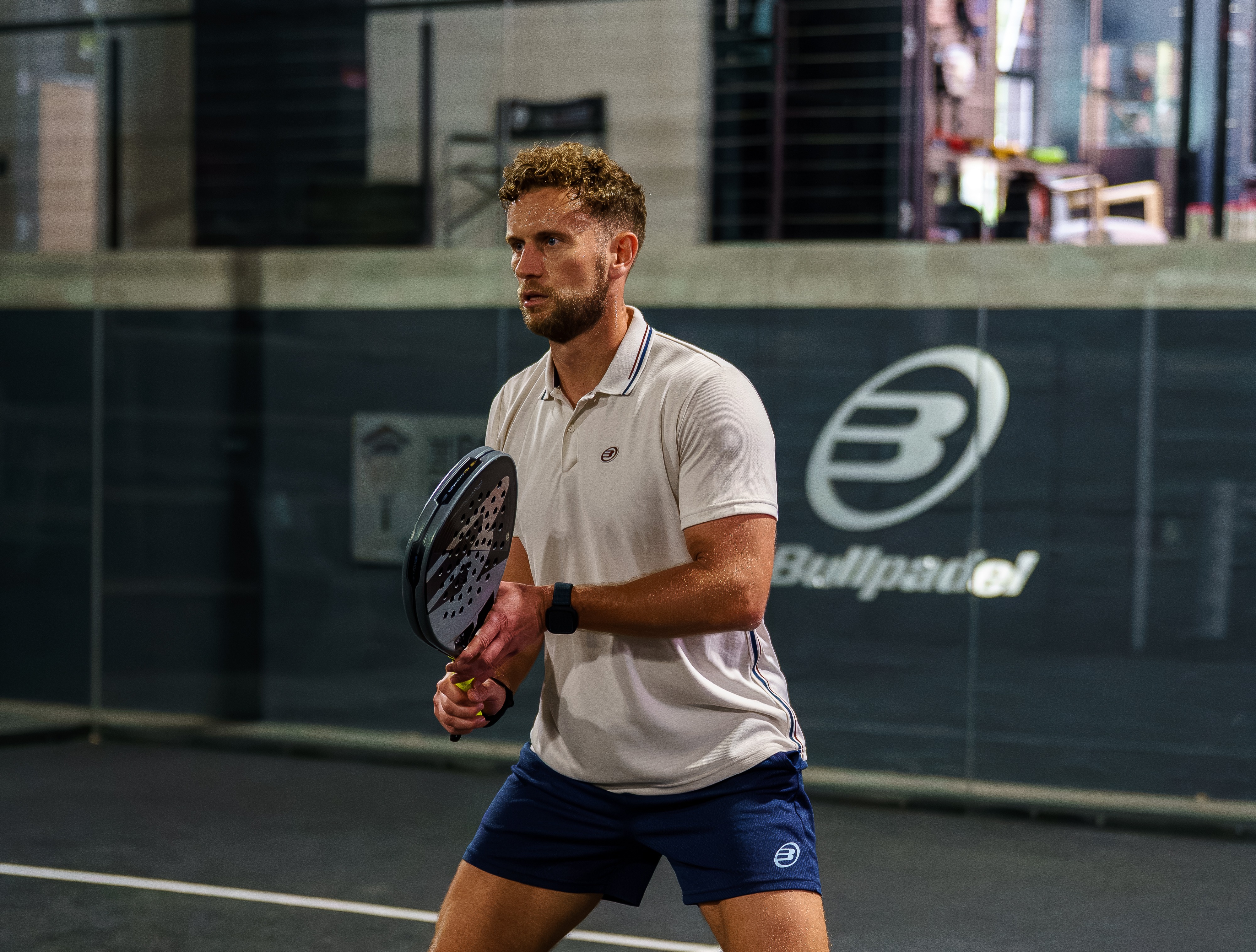
Start with the ready position. Players should become comfortable staying balanced, keeping their knees slightly bent and holding the racket in a position that allows them to react quickly. This may seem simple, but it is a habit that will influence almost every shot they play.
Movement is equally important. Beginners often reach for the ball rather than moving their feet to get into a balanced position. Encourage small adjustment steps and teach them to move with purpose rather than simply chasing the ball.
Keep the technical instructions simple. Beginners don't need to understand every detail of biomechanics during their first lesson. They need a movement that they can repeat consistently and that gives them control of the ball.
Teach the Basic Shots
Once the fundamentals are established, introduce the basic shots they'll use most often.
The forehand and backhand provide the foundation for rallying. Focus on balanced preparation, getting the racket into position early and making contact in front of the body. Rather than immediately trying to generate power, encourage the player to control the direction, height and pace of the ball.
The serve is another important early skill. Unlike in tennis, the padel serve is underarm, making it a useful opportunity to introduce the importance of consistency and placement. A beginner's first objective should be to get the ball into play reliably. Power and variation can come later.
The return of serve should receive similar attention. Beginners can be tempted to attack the return, but a controlled ball that keeps the point neutral is often a much better starting point.
These early shots also provide an opportunity to introduce a key concept in padel: the objective isn't always to hit the hardest shot possible. Players need to learn how their shots help them create better opportunities.
Introduce the Walls Gradually
The walls are one of the features that make padel different from many other racket sports, and they can also be one of the biggest challenges for new players.
Rather than immediately putting a beginner into a full game, introduce wall play through simple, controlled exercises. Allow the player to see how the ball bounces from the back wall before progressing to more complex combinations involving the side wall.
The important skill is learning to read the ball. Players need to recognise where the ball will bounce, which wall it will reach and how quickly it will come back before deciding when and where to make contact.
One common beginner mistake is moving towards the ball too early. Encourage players to give themselves enough space and time to allow the rebound to develop.
As their understanding improves, the walls become less of something they need to avoid and more of a tool they can use.
Teach Positioning Before Complex Tactics
Once players can rally and have started to understand the walls, introduce basic padel positioning.
Explain the difference between defending from the back of the court and attacking from the net. More importantly, help players understand why they move between these positions.
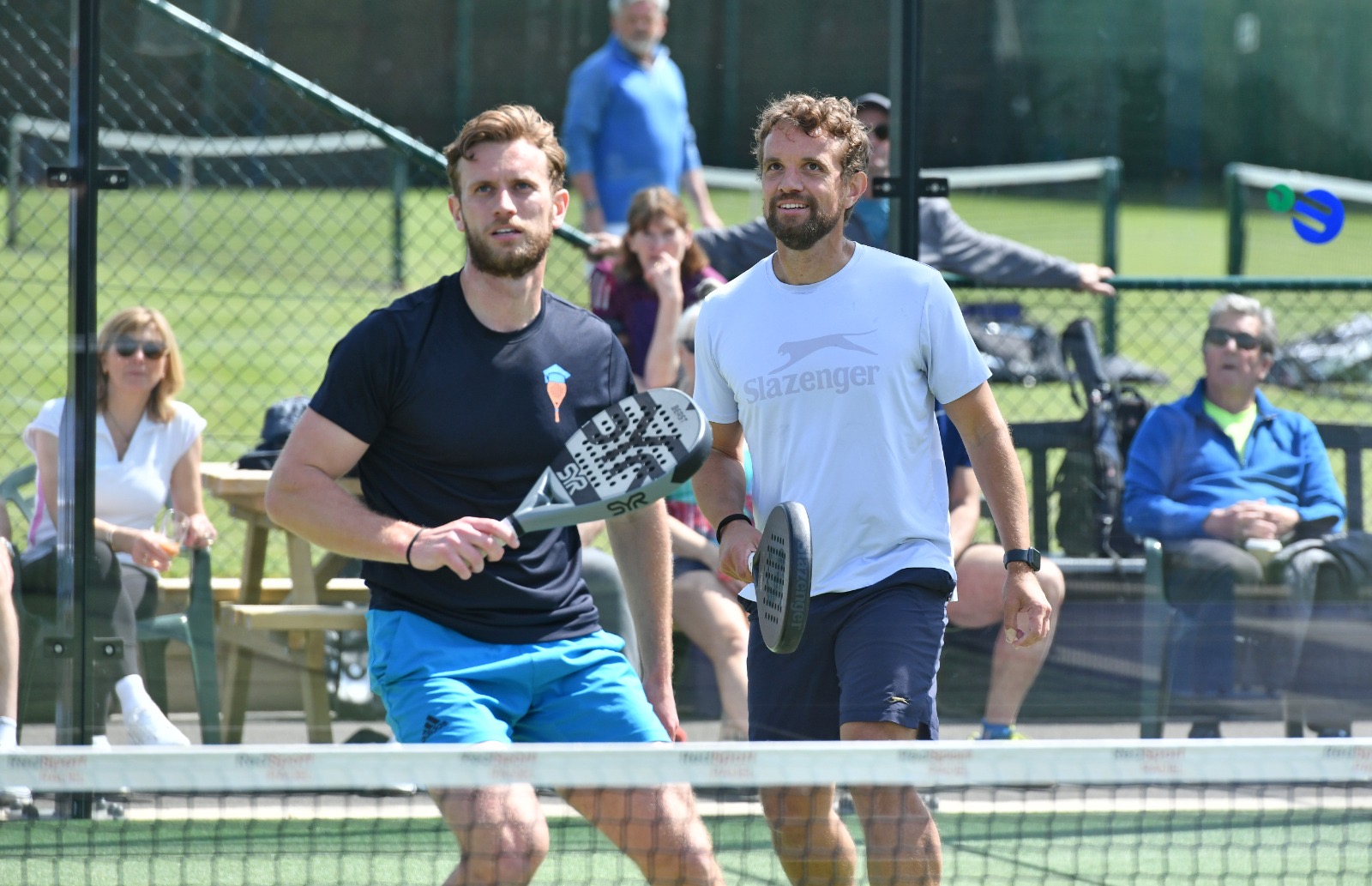
A beginner may naturally follow the ball around the court, but padel is played as a pair. If one player moves forward while their partner remains at the back, the team can leave large gaps for opponents to attack.
Simple coaching cues such as "move together," "protect the middle" and "recover your position" can help players develop this awareness without giving them too much information at once.
Positioning should gradually become part of the player's natural decision-making rather than something they have to consciously remember on every point.
Introduce Simple Tactics
Once positioning starts to make sense, introduce basic tactical principles.
Consistency should come before trying to hit winners. When defending, players can use height to give themselves more time to recover. They can also learn to target open spaces rather than always hitting directly towards an opponent.
Moving forward is another important tactical concept. Players should understand that reaching the net isn't simply about moving forward as quickly as possible. Their ability to move forward successfully is connected to the quality and trajectory of the ball they've played.
These concepts can be introduced naturally through game-based exercises rather than long tactical explanations.
The aim is to help beginners understand that every shot has a purpose. They're not simply trying to hit the ball over the net; they're trying to create a better position for themselves and their partner.
Build Confidence Through Appropriate Challenges
One of the most important parts of coaching beginner padel players is finding the right level of difficulty.
If every exercise is too easy, the player won't develop. If every exercise is too difficult, they may become frustrated and lose confidence.
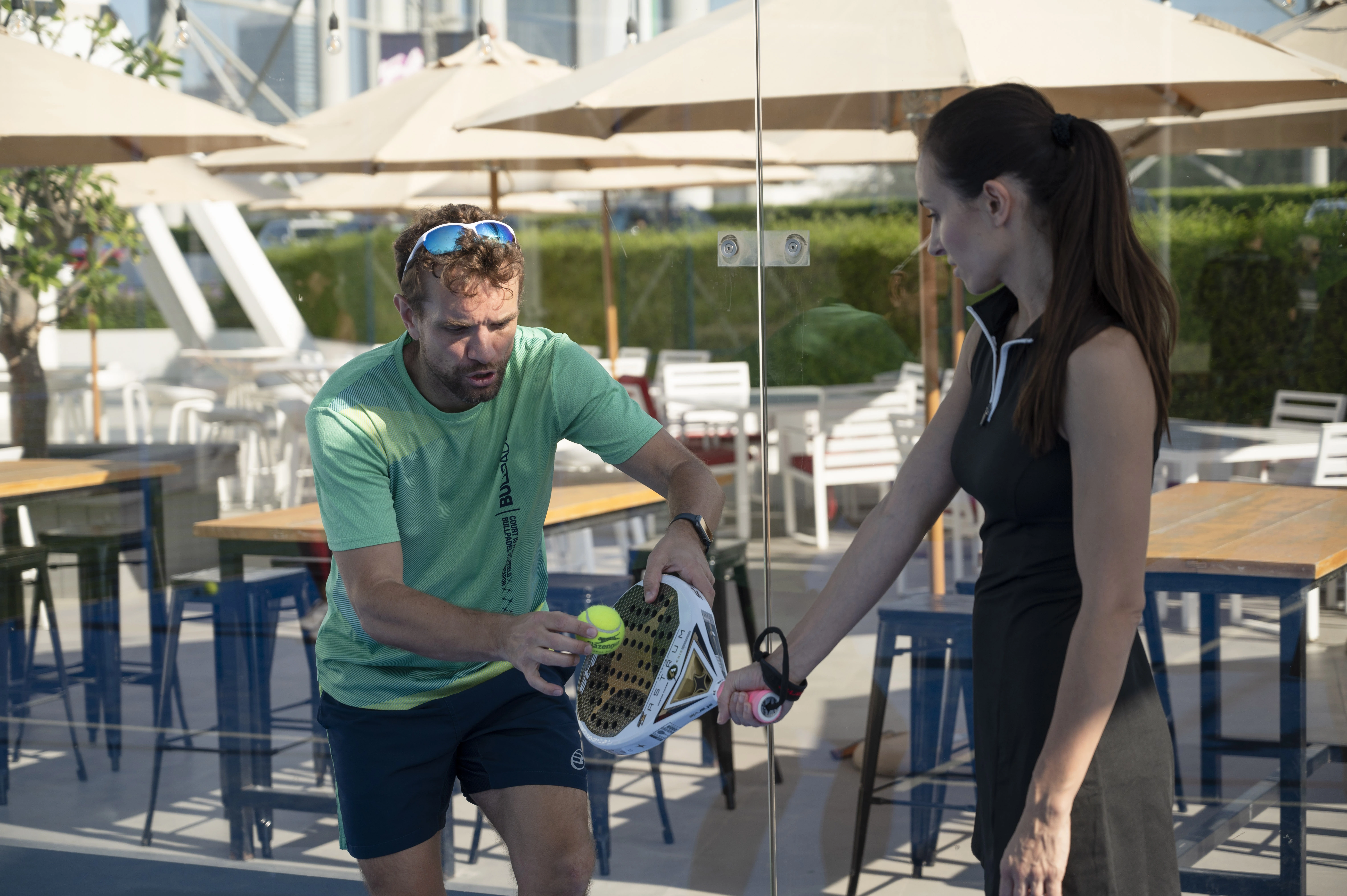
A useful progression is to begin with a controlled coach feed, allow the player to practise the movement, then introduce movement and decision-making. From there, the skill can be transferred into a more realistic game situation.
For example, a player learning the forehand might first practise from a stationary position. Once they're comfortable, you can introduce movement, a target or a specific tactical objective. Eventually, the same shot can become part of a point where the player has to decide when and where to use it.
This progression allows players to experience success while still being challenged.
What Are the Most Common Beginner Padel Mistakes?
Beginners will naturally make mistakes, and these can provide valuable information for the coach.
Trying to hit too hard is common, particularly for players coming from other racket sports. Others stand too close to the ball, watch their shot instead of preparing for the next one, or forget to return to a useful position after hitting.
Another common issue is moving independently from their partner. New players often follow the ball rather than maintaining their team's shape.
Some beginners also try to finish points too quickly. They may attempt difficult winners when simply keeping the ball in play would give them a better opportunity.
The coach doesn't need to correct every mistake immediately. Identify the issues that have the greatest impact and work on those first.
How Should You Structure a Padel Lesson for Beginners?
A beginner lesson should have a clear purpose while still allowing enough flexibility to respond to the player.
A typical session might begin with a short warm-up and movement activity before moving into a specific technical focus. From there, introduce an exercise that develops the skill under slightly more realistic conditions.
The second half of the session can gradually introduce decision-making and game situations, allowing the player to apply what they've learned. Finish with a short review so they leave knowing what they improved and what they should focus on next.
The exact structure will depend on the player, but the principle remains the same:
Learn → practise → progress → apply → review.
This prevents lessons from becoming a collection of unrelated drills.
How Do You Progress a Beginner From Technique to Tactics?
A player's development should gradually move from executing a skill to understanding when and why to use it.
For example, start by asking whether the player can consistently hit a forehand. Once they can, introduce direction and movement. Then create situations where they have to choose where to play the ball.
Eventually, the player should be able to recognise the situation during a real point and make an appropriate decision without needing the coach to tell them what to do.
This is an important part of player development. The objective isn't simply to create players who can perform individual shots. It's to develop players who understand the game and can solve problems for themselves.
How Quickly Can a Beginner Learn to Play Padel?
There is no fixed timeline for learning padel.
Someone with previous racket-sport experience may become comfortable quickly, while a complete beginner may need more time to develop coordination, movement and confidence.
Instead of measuring progress by the number of lessons someone has completed, look at what they can actually do. Can they maintain a rally? Can they serve and return consistently? Do they understand how the walls work? Can they recover into position and move with their partner? Can they make simple decisions during points?
These are much better indicators of development than simply counting sessions.
The Goal of Beginner Padel Coaching
Good beginner coaching isn't about showing players how much you know. It's about giving them the right information at the right time.
Start with the fundamentals. Keep instructions simple. Introduce the walls progressively. Build reliable basic shots before adding complexity, and connect technique to positioning and decision-making as the player develops.
Most importantly, create an environment where beginners feel comfortable making mistakes.
A player's first few lessons should leave them thinking:
"I understand the game better, I know what I'm working on, and I want to play again."
That is the foundation of effective beginner padel coaching and the starting point for long-term player development.