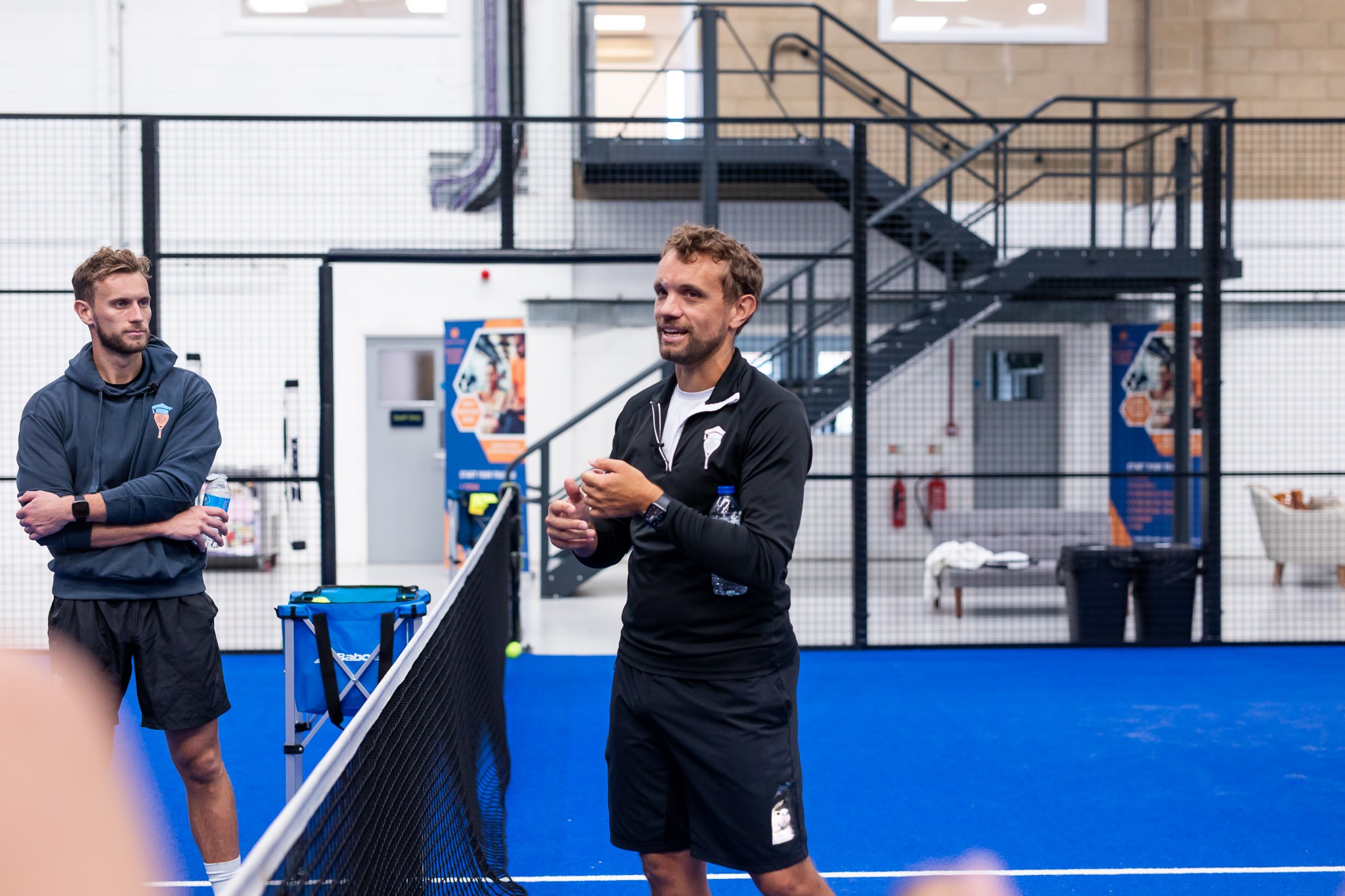
Online vs Traditional Coach Education: What Modern Padel Coaches Should Consider

Padel coaching is evolving quickly.
As the sport grows around the world, so does the demand for better coach education. But today’s coaches face a new question that didn’t really exist a few years ago: Should you learn online or through traditional in-person education?
For many coaches, the answer isn’t as straightforward as it once was. Online learning platforms, mentorship programs, webinars, and digital coaching communities are becoming increasingly common. At the same time, traditional in-person courses still offer valuable hands-on experience and direct interaction.
So which approach is better? The reality is that both offer advantages and the best coaches often combine elements of both.
Why Coach Education Matters More Than Ever
Years ago, many padel coaches learned primarily through playing experience. But modern coaching requires much more than technical ability.
Today’s coaches are expected to understand:
- Communication
- Session planning
- Player psychology
- Tactical development
- Learning methodology
- Movement and positioning
As standards rise globally, continuing education is becoming essential for coaches who want to stay relevant and effective. And that’s exactly why the debate between online and traditional education matters.
The Advantages of Traditional Coach Education
Traditional in-person courses still provide several important benefits. One of the biggest is direct interaction.
Being physically present allows coaches to:
- Ask questions in real time
- Receive immediate feedback
- Practice coaching live players
- Observe demonstrations closely
- Build relationships with other coaches
There’s also value in being immersed in an environment focused entirely on learning. In-person education often creates stronger accountability and deeper focus because coaches are removed from daily distractions.
For practical coaching skills, especially communication and court presence, live environments can be extremely valuable.
Where Online Coach Education Has Changed the Game
At the same time, online education has opened opportunities that simply didn’t exist before.
Coaches can now access:
- High-level tactical analysis
- Detailed technical breakdowns
- Recorded workshops
- Mentorship communities
- International coaching perspectives
All from anywhere in the world. This accessibility has been huge for the growth of padel coaching globally.
Instead of relying only on local knowledge, coaches can learn from experienced educators and systems from different countries and coaching styles.
Online learning also allows coaches to revisit concepts repeatedly something that’s often impossible in live courses. You can pause, rewatch, study, and apply ideas at your own pace.
Can Online Learning Replace In-Person Coaching Courses?
Not entirely. There are certain parts of coaching that are difficult to fully develop online.
For example:
- Managing group energy
- Reading player emotions in real time
- Court positioning as a coach
- Communication under pressure
- Live session adjustments
These skills improve significantly through real-world experience and observation.
However, online education can still accelerate development dramatically when paired with practical application. The key is not choosing one instead of the other.
It’s understanding how each supports different parts of your growth.
What Modern Coaches Should Look For in Education Programs
Not all coach education is equal - whether online or in person.
The best programs usually include:
- Clear coaching methodology
- Structured progressions
- Tactical understanding
- Communication principles
- Practical application
- Opportunities for feedback
A strong program should help coaches understand not just what to teach, but how players learn.
That distinction matters.
Because coaching isn’t simply about demonstrating technique, it’s about creating improvement.
Flexibility Is a Major Advantage of Online Learning
One reason online coach education continues to grow is flexibility.
Many coaches are:
- Working full-time
- Running lessons daily
- Managing clubs or academies
- Travelling frequently
Online education allows them to continue learning without needing to leave work for several days at a time.
This has made continuous education far more realistic for coaches who previously struggled to access formal development opportunities.
The Best Approach Is Often Blended Learning
Increasingly, the strongest coaches combine both systems.
They might:
- Learn theory online
- Study tactics digitally
- Join coaching communities remotely
- Then apply and test ideas during live workshops or on-court sessions
This blended approach offers the best of both worlds:
- Flexibility and accessibility
- Combined with practical experience and direct feedback
And as padel coaching continues to evolve, this hybrid model will likely become even more common.
Why Continuous Learning Matters Most
Ultimately, the biggest factor isn’t whether education happens online or in person. It’s whether coaches continue learning at all.
The game is evolving quickly:
- Tactics are changing
- Player expectations are rising
- Coaching standards are improving globally
The coaches who continue developing themselves are usually the ones who create the best long-term results for players.
The Future of Coach Education in Padel
Coach education will likely become more connected, more digital, and more global over the next few years.
Online platforms will continue expanding access to:
- Advanced coaching concepts
- International mentorship
- Tactical analysis
- Ongoing professional development
At the same time, in-person education will remain important for practical coaching experience and human interaction.
Rather than competing against each other, the two formats are increasingly complementing each other.
There’s no single “perfect” path for coach education. Traditional learning offers hands-on experience, live feedback, and real-world coaching practice. Online learning offers flexibility, accessibility, and exposure to a wider range of ideas and coaching systems.
The best coaches usually combine both. Because modern coaching development isn’t about choosing one format over another.
It’s about staying curious, continuing to learn, and constantly finding ways to improve how you help players grow.
Related Posts
Discover more insights, tips, and articles you might find useful