What is padel?
If you’ve seen or heard about this sport but aren’t quite sure what it’s all about, you’re not alone. Padel is a fast-growing racket sport that combines its own distinctive blend of strategy, movement and wall play.
Played on a smaller, enclosed court, padel is accessible to a wide range of ages and skill levels. In this blog, we’ll explain the origins, rules, equipment and how the game is played, as well as what makes it such an enjoyable sport for so many.
Origins and Growth of Padel
History: Padel was invented in Mexico in 1969 by Enrique Corcuera, who wanted to create a game for his home. The sport later grew strongly in Spain and Argentina and has since expanded internationally.
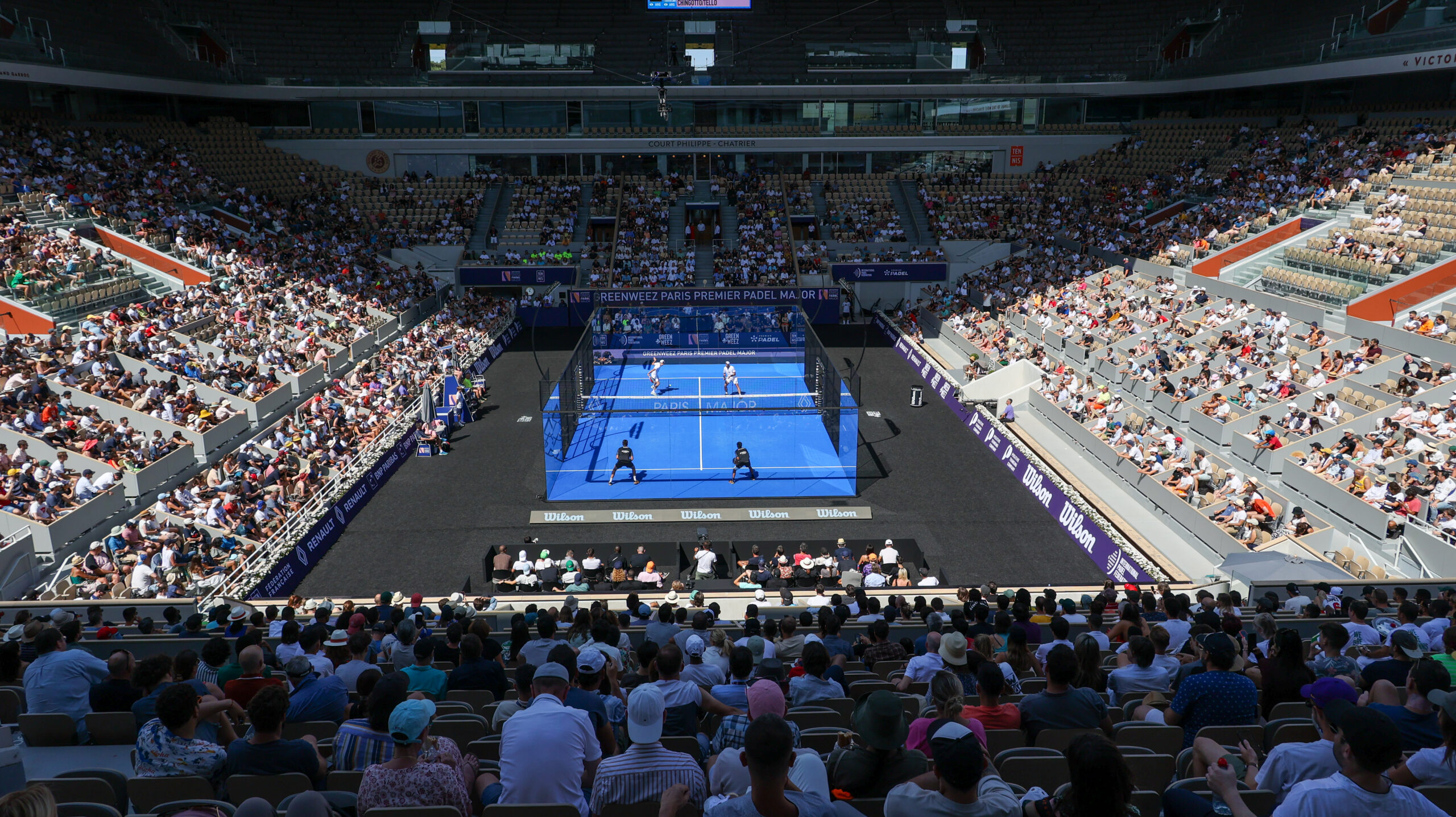
Popularity Worldwide: Padel courts and communities can now be found in many countries, with professional tournaments and leagues helping introduce more people to the sport.
Basic Rules of Padel
Serving: Serves are underhand and must bounce in the opponent’s service box. The serve must be struck below waist height.
Scoring: Traditional scoring mirrors tennis, using 15, 30 and 40 points to reach a game. Competition formats can vary, so check the scoring rules being used for your match or event. Here is a video that explains how to play and score in padel.
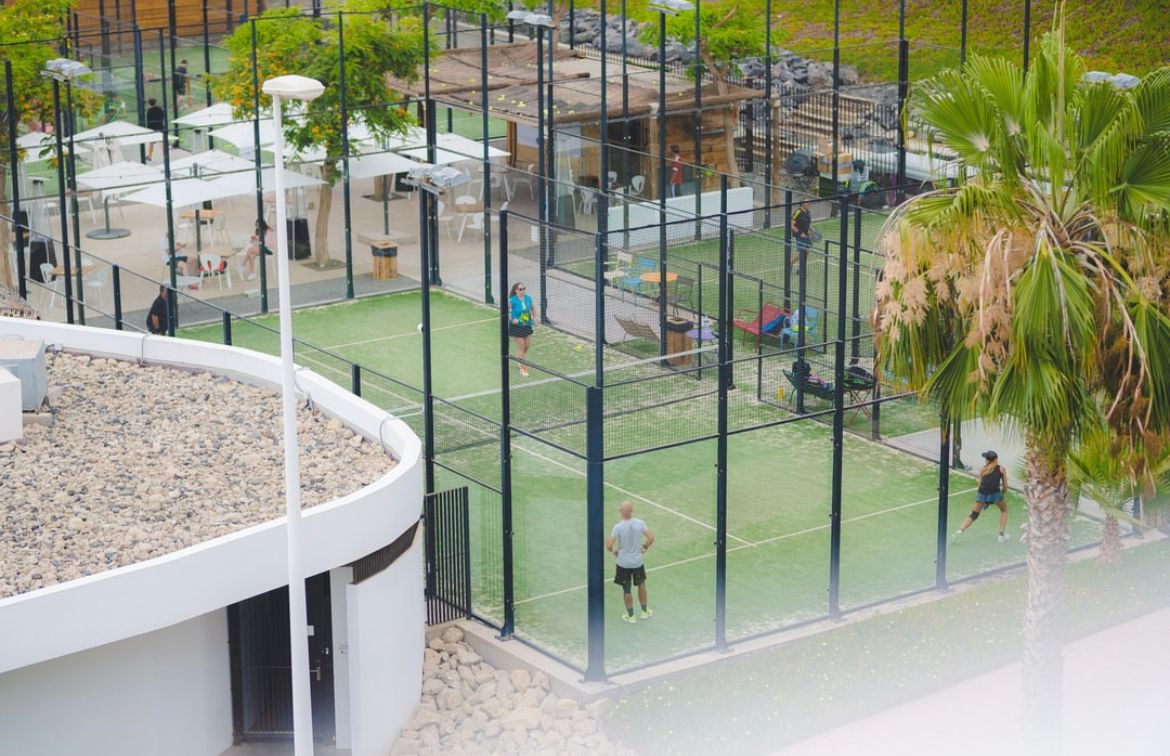
Court Design and Layout
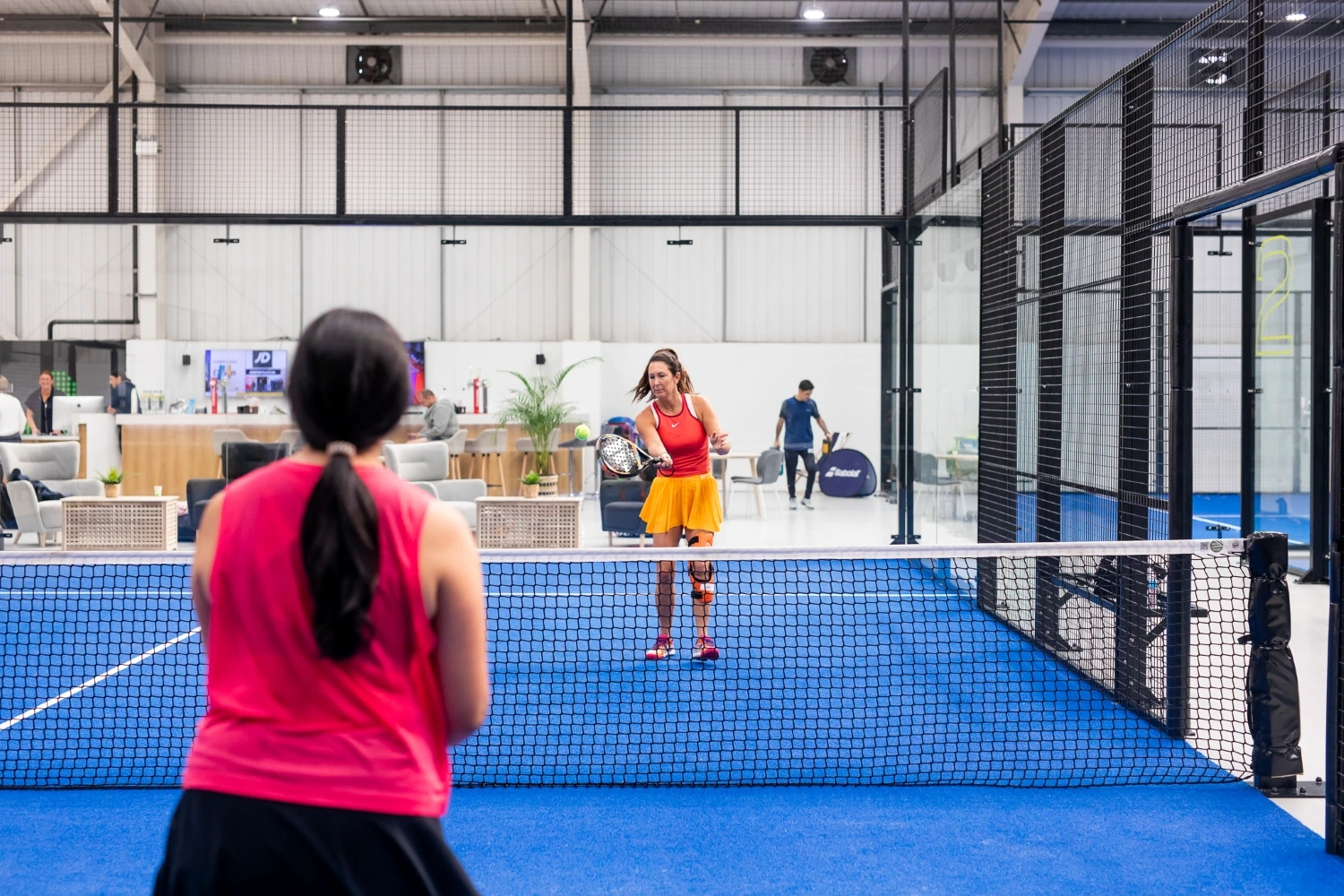
Court Dimensions: A standard doubles padel court measures 20 metres by 10 metres and is enclosed by glass and fencing. These surfaces allow the ball to rebound and are integral to the game.
Net and Dividers: A net in the centre of the court divides the two teams, similar to tennis, but the enclosed court and rebound surfaces create very different patterns of play.
Equipment Used
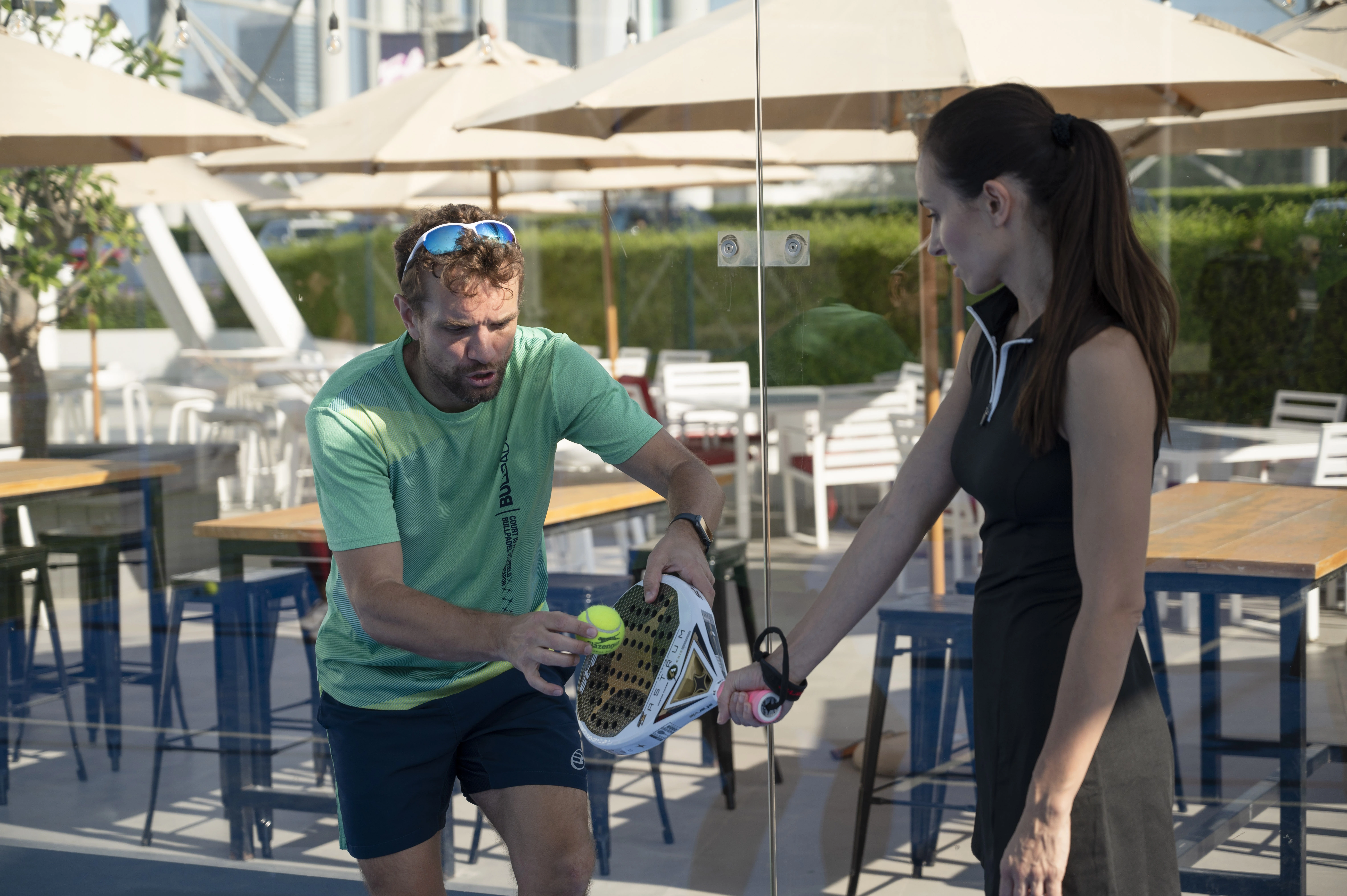
Rackets: Padel rackets are solid, without strings, and have perforations in the face. They’re shorter than tennis rackets, which suits the compact court and quick exchanges.
Balls: Padel balls look similar to tennis balls but have different pressure characteristics that affect their bounce and play. You can read more in our guide to the differences between padel and tennis balls.
Gameplay and Strategy
Using Walls: One of the sport's unique features is the use of walls. Players can allow the ball to rebound off the glass before returning it, which adds another layer of positioning and decision-making.
Doubles Play: Padel is most commonly played in doubles, encouraging teamwork and coordinated positioning.
Why People Enjoy Padel
Accessibility: The game has a relatively low technical barrier for beginners, so new players can often enjoy rallies quickly while still having plenty to learn as they improve.
Unique Playstyle: The combination of compact strokes, wall rebounds and team tactics gives padel its own distinctive identity.
Summary
Padel is a distinct sport with its own style, tactics and community. Its social nature, accessibility and dynamic gameplay help explain why so many players are taking it up around the world.