The Introduction Lesson: Why First Experiences Matter More Than Most Clubs Realise

For many padel clubs, success is measured by memberships, court bookings, and coaching revenue.
But there's one moment that has an even bigger impact on long-term growth than many clubs realise: a player's very first lesson.
Whether someone is trying padel for the first time or joining a new club, that introduction session often determines what happens next. It can be the difference between a player becoming a lifelong member or never returning after a single visit.
While attracting new players is important, the most successful clubs focus just as much on what happens after those players arrive. Because first impressions don't just influence enjoyment they influence retention.
The First Experience Sets the Tone
Most beginners arrive excited, but they're also stepping into something unfamiliar.
They may never have held a padel racket before, know very little about the rules, or worry about whether they'll be good enough to enjoy the game.
During that first session, they're not only discovering padel they're deciding whether it's a sport they want to continue playing.
At the same time, they're forming an opinion of the club itself. They're noticing how welcoming the coaches are, how friendly the atmosphere feels, and whether they can picture themselves becoming part of the community.
A positive first experience builds confidence and excitement. A poor one can discourage players before they've had a chance to discover why padel is so enjoyable.
Enjoyment Comes Before Technique
One of the biggest mistakes clubs make with beginner sessions is trying to teach too much, too soon.
New players don't need detailed technical explanations or a long list of corrections. Their first lesson isn't about mastering every shot it's about leaving the court wanting to come back.
The goal should be to help players experience success early. When beginners feel comfortable, included, and capable of keeping the ball in play, they leave with confidence rather than frustration.
There will be plenty of time to develop technique in future sessions. The first lesson should focus on creating an enjoyable experience that makes players excited for the next one.
Confidence Is the Foundation of Retention
Many beginners are far more critical of their own performance than coaches realise.
A few missed shots can quickly lead them to believe they're not naturally suited to the game.
Great coaches understand this and create sessions that allow players to succeed. Rather than highlighting mistakes, they use simple exercises, achievable challenges, and positive encouragement to build confidence from the very beginning.
When players feel they're making progress, they're much more likely to stay motivated and continue their learning journey.
The Coach Represents the Club
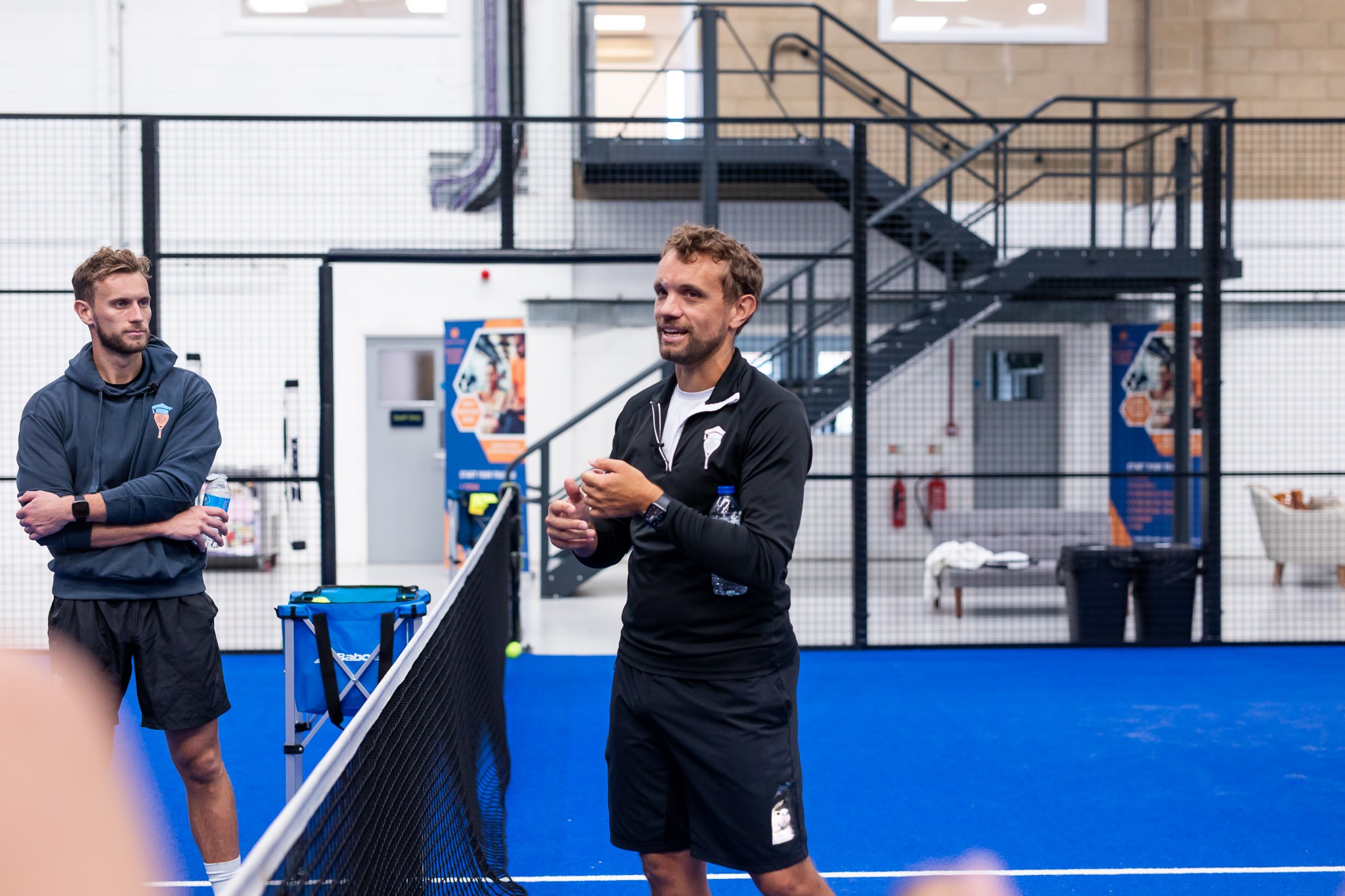
For most new players, the introduction coach becomes the face of the club.
The way they communicate, encourage players, and manage the session often shapes how beginners feel about both the sport and the venue.
The best coaches understand that teaching technique is only part of their role. Just as importantly, they create an environment where players feel welcome, relaxed, and comfortable asking questions.
Learning players' names, celebrating small successes, and keeping the atmosphere positive can have a lasting impact on whether someone decides to return.
People Return for the Community
One of padel's biggest strengths is that it's naturally social.
While players may arrive because they want to try the sport, many stay because of the people they meet along the way.
Introduction sessions are a perfect opportunity to help beginners build those early connections. When new players meet others at a similar level, enjoy shared experiences, and feel part of a group, they're far more likely to come back for another session.
The most successful clubs don't simply introduce players to padel they introduce them to a community.
Every Beginner Needs a Clear Next Step
A great first lesson can still be a missed opportunity if players leave without knowing what to do next.
Too often, clubs deliver an excellent introduction session but fail to guide beginners towards their next stage of development.
Instead, every introduction lesson should naturally lead into the next step, whether that's a beginner coaching course, a social session, regular group coaching, or a starter league.
When players can clearly see how they'll continue improving, they're far more likely to stay engaged with both the sport and the club.
Great Onboarding Is a System
The best clubs don't rely on individual coaches to create a good first impression by chance.
They build structured onboarding systems that ensure every beginner enjoys a consistent experience from the moment they arrive.
That includes well-planned introduction sessions, coaches who understand how to work with new players, clear communication before and after the lesson, and a simple pathway into the club's coaching programmes and community.
This consistency makes it much easier for curious beginners to become regular players and, eventually, loyal members.
Why First Impressions Matter
Many clubs invest significant time and money attracting new players.
But growth becomes much more sustainable when more of those players choose to stay.
A great introduction lesson does far more than teach the basics of padel. It builds confidence, creates positive emotions, introduces players to the club community, and gives them a clear direction for their next step.
Those experiences are often the foundation of long-term retention.
Final Thoughts
A player's first lesson is about much more than learning how to hit a forehand or serve.
It's their first experience of the sport, the coach, and the club as a whole.
When introduction lessons are designed to build confidence, create connections, and provide a clear pathway for progression, they become one of the most valuable tools a club has for growing its community.
Great facilities may encourage players to visit for the first time, but it's the quality of that first experience that determines whether they come back again—and whether they become lifelong members.
Related Posts
Discover more insights, tips, and articles you might find useful